Tag Archives: orthorexia recovery

MinnieMaud: Is It the Only Way to Recover from a Restrictive Eating Disorder? (Take Two)

New-YE5

It has been over a year since I wrote my first article on this topic, and I am still somewhat inextricably linked to the MinnieMaud method of recovery, however much I try to disentangle myself from it. I thought I would talk about this topic again because my views have continued to change as I grow and develop as a person, and also learn new things in the recovery community. Being in remission has given me the motivation to celebrate my own recovery and give opinions and advice based upon my own journey, but it has also given me the ability to recognise that we all take different paths to get to a full recovery. Even the concept of “full recovery” in itself is individual for each person, and the goals we wish to reach can be quite different. Some people in recovery are not able to yet reach for a full recovery. Others take different routes to reach the same destination. What people define as “remission” or “full recovery” varies, and that’s okay. We are all allowed space to determine what it is that we believe, and what we want for ourselves. We are allowed space to express what we want for others, but we have to respect what people want for themselves over our own views of what would be best for them. The only decisions we can really make are for ourselves.

As I have progressed and developed in my remission, my advice has been less “Gwyneth Olwyn” (creator of MinnieMaud) and more personalised to my own individual views and experiences. In a nutshell, my views on MinnieMaud are that it is an invaluable recovery method for many people during the early to middle stages of recovery and can help inform the rest of the recovery process whilst you learn to navigate your own path leading into remission. Eventually you will find your own version of remission and start living your recovered life in the way that works for you. MinnieMaud can still be useful then, but your recovery/remission will now be tailored to you as an individual. I think that the black and white approach to information and advice is apt for the unwell; for the people who need firm, unflinching boundaries between them and their eating disorder (and boy, did that help me when I needed it). It gives permission to do the things that society forbids – things that profoundly help so many people in their recoveries (e.g. freedom around food, encouraging the idea that all food is good food, resting and repairing, breaking unhealthy relationships with exercise by total cessation of activity, eating enough, always responding to any hunger however much that means eating, accepting your body at any weight, shape, or size etc). It outright rejects any and all unhealthy societal views in order to promote a healthy relationship with food, exercise, and the body. Is Gwyneth Olwyn the only person to encourage all these viewpoints? No, not by a long shot. There are a huge amount of people in the recovery community, body positivity community, and health at every size community (all of which overlap quite frequently) that share and promote these views and give advice accordingly. However, Gwyneth Olwyn is, as far as I know, the only person who has taken these viewpoints and created a structured, research-informed recovery method for those with restrictive eating disorders. The fundamental difference that people see is that Olwyn has created a set of guidelines, and given these views a name; made them into a method of recovery. She has solidified a huge amount of people’s views into “rules for recovery”. Now this irks some people because they don’t like the black and white; they don’t like the “you need to/must do this in order to recover”, and I entirely understand that. As I spend more time in remission and grow and develop as a person and as a member of the ED recovery community, I have become aware that this way of thinking and dishing out advice becomes problematic especially as people come out of the initial stages of recovery and start to make their own way towards remission. People start coming out of the very necessary and standardised initial parts of recovery and start to develop personal goals and targets and outcomes and values and opinions and moral standpoints and….and and and. I could go on. I think that to reach remission there are fundamental aspects of recovery that need to happen – but again, these are my own individual views on what remission is – and those are:

  1. Regaining normalised and reliable hunger cues in order to eat intuitively and respond to the body’s request for energy, always.
  2.  Being able to eat any and all food without anxiety, fear, or guilt (seeing food as food, seeing it as nourishment, enjoyment, and just another part of life rather than immediately worrying about weight gain, compensation, exercise, or seeing certain foods as “bad” or “unhealthy” etc).
  3. Being able to eat when not hungry (for example, in social situations) without anxiety, fear, or guilt.
  4. Being able to eat without compensation.
  5. Building a healthy relationship with exercise (moving the body primarily for enjoyment not for burning calories or altering the body).
  6. Managing or resolving underlying issues that contributed to the cause of the eating disorder.
  7. Working towards body acceptance and acknowledging that your body’s natural weight is outside of your control and to obsessively focus on controlling it is to be disordered.
  8. Being able to manage stressful situations without lapsing,  and using healthy coping mechanisms in response to stress and anxiety or being able to pull yourself out of a lapse very quickly because you are perceptive about your behavioural reactions and then use healthy coping mechanisms.

Outside of that are a wealth of details within recovery that are different for every single person. For example, whilst I feel assured in giving out the advice that someone in recovery should not make drastic decisions around their diet (such as becoming vegan or vegetarian), when that person is in remission, I am unable to say whether that person would become triggered into relapse by making that choice. I have a fully recovered friend who has become vegan. I myself am now a pescatarian. But I have also known people who have made changes to their diet and spiralled back down into illness as the elimination of certain foods opened the door for the eating disorder to slip in through. For some people it triggers those restrictive thoughts, and for others, opens up new doors to try new foods. Since I have had to become gluten free for medical reasons, I have tried and discovered a wealth of new wonderful foods (although I do mourn my loss in the bread department), and find joy in doing so. Others might find this a slippery slope into restriction without the right mindset and support. Another example might be yoga. Yoga might help one person relax and fight anxiety, whereas for someone else it might be another form of burning calories or subscribing to an obsession with “health”. There are a million examples of things that affect different people in different ways in recovery, and I do think that MinnieMaud forgets this. Its rigid blanket statements and black and white style are appropriate for most people in the initial stages of recovery, and even for some further on, but are not so relevant to those moving towards their own individual destinations, and for those in remission itself.

I reference the site so frequently because many people that I talk to are in the initial stages of recovery, and I think that everyone, whatever stage they are at in their journey, could benefit from the views expressed there in regards to body positivity, health at every size, freedom around food, and a no bullshit approach to exercise. I think MinnieMaud is fantastic, but that doesn’t mean that I don’t think that it is flawed. Because the MinnieMaud site (Your Eatopia) informed so much of my recovery and started me off on my journey towards discovering body positivity and health at every size, I wrote a lot about it, and at first when my blog turned into an advice blog, I was regurgitating everything Olwyn said. Because of that, I have struggled to separate myself from it in the eyes of my audience. I have attempted to distance myself as being seen as a “minion of MinnieMaud” and be viewed instead as a standalone person who references MinnieMaud and its recommendations, but is not solely about MinnieMaud. Like The Fuck It Diet, I want MinnieMaud to just be another site that I reference – albeit it is the site I reference the most as it is so concise and informative and is the one site aimed so specifically at restrictive eating disorders and the recovery process. Hopefully one day, the association between myself and MinnieMaud won’t be so strong, and I will be able to promote the MinnieMaud method alongside my own indvidual views and that of many other people.

I advocate freedom around food, health at every size, the rejection of diet culture, moving your body in a mentally and physically healthy way in remission, body acceptance and positivity, self love, eating what you want when you want, personal growth and development, resolutions or management of toxic situations, relationships, internal beliefs, and/or experiences with the help of professional support, and building and living a full, rich life outside of your eating disorder. Does MinnieMaud advocate this too? Yes. But it is only one website amongst many that does so. Olwyn is one person amongst millions holding these beliefs. I am advocating all of them, not just MinnieMaud. I am advocating all of the incredible women and men fighting for these views to be the norm; for diet culture to be destroyed; for people of all weights, shapes, and sizes to be accepted as equally beautiful and equally potentially healthy; for a recovery from restrictive eating disorders not informed by our unhealthy, toxic societal views on food and exercise and weight. I advocate Caroline of The Fuck It Diet, Amelielee of LetsRecover, Bodyposipanda, Nourishandeat, and Goofy_ginger of Instagram, Harriet Brown of Brave Girl Eating, Ragen Chastain of Dances With Fat, Kate of FYourED, Michelle of The Fat Nutritionist, Sandy of Junk Food Science, Tetyana and Andrea of Science of Eating Disorders, Summer Innanen of Rebelle Radio, Rachel W. Cole of her website of that name, and those who run Big Fat Science. I also advocate Gwyneth Olwyn of Your Eatopia, and I agree with the method of recovery that she promotes, as I also agree with the way of eating that Caroline and Rachel W. Cole promote. They are slightly different, as are my own views, but we all agree on some basic fundamentals.

I am not here to say that MinnieMaud in and of itself is the only way to recover, but I do think that its basic principles are needed for a full recovery: basic principles that are supported in many other places, not just Your Eatopia. Am I here to say that MinnieMaud is the only method of recovery that works? No, but it does work. It may not work for everyone, but as recovery methods go, its success rate looks pretty good when you look at the multitude of anecdotal evidence. There is no one recovery method that works for everyone. Success rates for any treatment for eating disorders are mediocre at best, so let’s not slam a recovery method that so many people (including myself) have used successfully to help them in their journey, whether that is using it fully or taking bits from it that inform their own personal path to becoming well.

This will be the last time focusing solely on MinnieMaud, because I am not a spokesperson for that method of recovery. I am someone who used MinnieMaud to help my recovery. I am someone who agrees with its main principles, and I am someone who refers to it and uses information from it in order to try and help other people.

MinnieMaud is, in my opinion, a good way to recover. It is not the only way to recover. However, I believe that its underlying principles are needed for a full recovery. Those underlying principles are not exclusive to MinnieMaud. They are not the entirety of MinnieMaud. They are basic principles that underlie the method and are shared by many other people. MinnieMaud was built on top of those principles, and the nitty gritty details of MinnieMaud are not things that I think are always necessary to recovery – I think that is individual. I think that is as clear as I can make it.

If you have any questions, don’t hesitate to contact me through the contact section above, or leave a comment on this article.
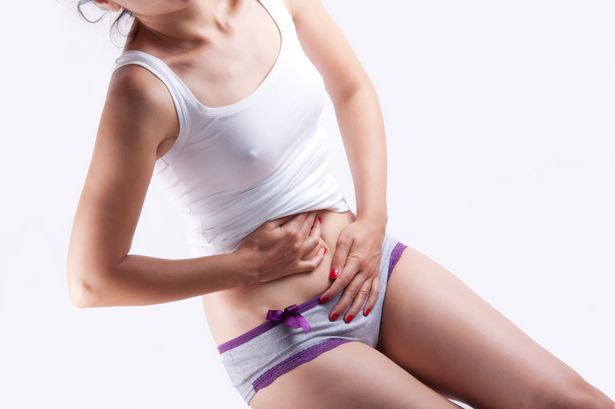
Digestive Distress in Eating Disorder Recovery

tummy troubles 3

So you’ve started recovery from a restrictive eating disorder, and suddenly you’re experiencing tummy troubles: troubles you may or may not have been expecting. I know that when I started recovery, I was unprepared for the physical symptoms and did not attribute some of them to recovery process. I wish I’d known more: my mum and I were baffled when I started sweating so profusely at night that I was soaking the sheets through, and I thought I had Chronic Fatigue Syndrome at one point when I was unable to even sit up in bed I was so tired. Both of these are normal recovery symptoms (sweating lots indicates your metabolism speeding up, and exhaustion is your body telling you to rest and repair).

The first set of symptoms to normally occur, however, are those related to your digestive system: gas, bloating, constipation, diarrhoea, acid reflux, indigestion, partly digested food, abdominal pain, and having very frequent bowel movements. These symptoms are not fun, and they are certainly not comfortable. However, recovery is about persistence.

tummy troubles 2

Restriction has a huge affect on the body, and with the digestive system, if it the body isn’t processing food regularly and consistently, it will stop wasting energy on working so efficiently. The digestive system slows down: a healthy person’s digestion rate is about 1.5 hours, whereas someone who has been starving themselves can have a digestion rate of 4 or 5 hours. This means that when you start to nourish your body with adequate and consistent energy, the digestive system will need a while to catch up. During the beginning of your recovery, because your digestive system will be working slower, food will sit in the stomach or bowel longer than it should do, which can result in abdominal distension, gas, and constipation. Or the body can go I’VE FORGOTTEN HOW TO PROCESS THAT, which can result in diarrhoea.

Restriction also can result in critical bacteria in the gut being reduced, and digestive enzyme levels being not as they should be, which also contributes towards digestive issues.

Wastage of muscles in the abdominal area can also cause distension as the muscles are not strong enough to hold things in more firmly when food is eaten. Do remember though that your stomach will distend slightly throughout the day naturally – the more food, the more your stomach will distend, and this normal and healthy. Those in recovery though will often find that the bloating and distension is far more extreme than that of a healthy person -and that is normal for the recovery process. Remember that your stomach has most likely shrunken during starvation, and will need to be stretched back to a normal size with refeeding. This is not going to be a great feeling, and it is likely to cause pain and tenderness.

The other thing to talk about is IBS and food sensitivities. During your eating disorder, your body can become unused to processing certain foods, for example, carbohydrates could be one. Dairy products could be another. This could lead you to think that you have a gluten or lactose intolerance if in recovery you start to reintroduce foods like bread, pasta, biscuits, cakes, and pastries, and/or ice cream, cheese, chocolate, and milk back into your diet and you get adverse digestive effects. However, this is generally not the case. If your body has become unused to processing foods that you have restricted for a long time, it is logical that it will now have to work up a tolerance again (like babies have to). It does not mean that you will be permanently intolerant. Abstaining from these foods that you are sensitive to will only mean that the body never gets used to processing it again. Refeeding and reintroducing these foods slowly into your diet – with the help of a doctor if the results are severe – will help your body develop a tolerance to them again and heal the gut. The same is true of IBS. Your doctor may have diagnosed you with IBS if tests for other conditions came back negative. Most of the time, sensitivities and IBS are resolved with refeeding, so give it time. Recovery requires patience and perseverance, so bear with the discomfort and keep on going. If after years, certain symptoms have not resolved themselves, then it is time to look for other causes, but this is fairly uncommon. Obviously if you have diagnosed food allergies or diseases/conditions such as Celiac disease, Crohn’s or ulcerative colitis, neuropathy disease, or have any obstruction in the GI tract, or have any other diagnosed medical condition that would be dangerous and cause damage to you if you were to increase certain foods/types of foods into your diet, then the paragraph above does not apply to you.

So, onto gas. This is probably the most awkward of the recovery symptoms. Smelly gas; loud gas; persistent gas; gas that wakes both you and your partner up with a start when you trump in the night (yes, that happened to me). It can feel embarrassing, but it’s one of the most common symptoms in recovery. If it happens in front of someone (which it probably will) just giggle about it. It may even help to pre-warn them if you are happy to let that person know that you are in recovery from a restrictive eating disorder. It means that they will be expecting it and you can laugh about it (which you can do even if it is a surprise). Everyone farts- you’re just going to be letting off wind a hell of a lot more than the average person for a while.

Frequent bowel movements are also normal. This can be a sign of your digestive system speeding up. I went to the toilet to poop up to seven times in a day for a while (yup, really). If your bowel movements are loose, this could be the I’VE FORGOTTEN HOW TO PROCESS THAT from above.

It is important to continue to eat, even when it is the last thing that you want to do. If you are experiencing a lot of pain, then it is okay to give yourself a break and eat when it feels more tolerable, but discomfort and slight pain is normal and it is important to eat adequately and consistently. However, if you are worried about any symptoms that you are experiencing, please see a doctor to determine if there is anything other than the normal recovery process going on in your body.

So how do you deal with these recovery symptoms?

tummy troubles

Firstly, if you are experiencing constipation, eating fats can help move things along. Getting some fibre never goes amiss to prevent it from happening, but this is recovery, so doing healthy people things won’t necessarily work. Warm water is also extremely helpful for constipation – I’d never heard of it before but it has saved me a couple of times. If your stomach is not feeling so great, herbal teas can help settle it, and a hot water bottle can help ease pain or discomfort. For acid reflux and indigestion, there are over the counter medications that you could use, or you can visit your doctor for other options.

I know it sucks, but don’t give up – these symptoms do not last forever. Be patient, and stay on course. Keep moving forwards. As Churchill once said “If you’re going through hell, keep going.” You will come out the other side.

New Year’s Resolutions vs Eating Disorder Recovery

Happy-New-Year-Banner-2016-15

So New Year’s Eve has come and gone, and people are scribbling their new year’s resolutions all over social media and bringing them up in conversation. And if truth be told, it’s boring. It’s boring and it’s pointless, because most people jump simultaneously on the resolutions and diet culture band wagon and publicise their diet/weightloss/health/exercise #goals for 2016, which predictably (and thankfully) are forgotten about a month or so into the year.

For some people, it’s not just boring, it’s anxiety-provoking, and those people are those recovering from a restrictive eating disorder. After knuckling down and recognising and accepting that weight gain is part of the process, as is eating much more, ceasing exercise during recovery and cutting it down in general for life, and eating and regaining a healthy relationship with “fear foods” which generally consist of high fat, high carb, or high sugar foods/food groups, they then have to watch everyone pledge to lose weight, exercise more, and cut down on “unhealthy” foods.

If you are one of those people, it’s going to be hard seeing and hearing about all these new years resolutions that trigger negative thoughts and emotions, and tempt you to engage in the same behaviours that for most would end in the cessation of them, but for you would end in the spiral back down to misery and sickness, and could end in death. It could be an obvious impulse to just say “fuck it” and relapse, or it could come under the manipulative guise of “health” – that eating disorder voice whispering in your ear that going paleo, cutting down on carbs, or hitting the gym would not be a behaviour but just a way to get healthier (Nope. It’s a behaviour. It would be many steps backwards and the path to full relapse). If you are experiencing any of the above difficulties, you need to remember to focus on yourself. Other people’s behaviours should not impact on your own. You know where it would lead you, and it is important to make it your utmost priority to do what is best for you, your recovery, your happiness, and your health. Don’t allow other people’s insecurities and anxieties about their weight and shape influence your own actions. Instead, empathise with them. Know that they are not feeling happy with themselves and hope for their sake that they find a way to accept their bodies as they are naturally and celebrate themselves as beautiful people with beautiful bodies.

Remove toxic relationships or negative people from your life if you are finding a certain person consistently triggering. Unfollow people on social media who are likely to post/continue posting about weightloss, dieting, exercising, or anything else that triggers you as an individual. Talk to the people in your life who try to have conversation with you about their diet or exercise routines or similar, and let them know that it is unhelpful for you. Those who love you and care about you will cease pushing these topics on you. Those that don’t are the toxic, negative people in your life that I mentioned above.

Finally, know that your recovery is mandatory. You need to do what is best for you and your recovery, and that means fighting the negative thoughts and getting rid of any constantly triggering people. You deserve to live a happy and healthy life. Keep working for that, and keep moving forwards. You can do this.

Christmas and New Year: Anxiety Aftermath

anxiety

So Christmas and New Year are finally over. Most people with eating disorders approached the Christmas period with intense fear and have probably left it with intense guilt. And that’s okay and that’s not okay. By that I mean that it is okay to experience those feelings. You are not alone and those feelings are not your fault. What’s not okay is that your eating disorder has control over your life, so keep fighting the war against it, and don’t respond to those negative feelings. You are going to be okay and you can get through this.

If you ate more than you usually would this Christmas, went outside your meal plan, or ate what a normal person would eat over the Christmas period, I can imagine that right now you are feeling extremely stressed, and terrified that you have put on weight or that your body composition will change. And if you have put on weight or your body composition has changed, that’s okay. If you have stayed the same, that’s okay too, but remember that part of recovery is about gaining weight, and along with that does come a changing body.

The guilt of going against those eating disorder rules can be overwhelming, but it is important to remember that this is part of recovery. Going against your eating disorder and doing what you deserve is part of fighting the battle inside your head. Eating whatever you want, whenever you want, is the goal, and so if you were able to do that for a day, or two, or more, or even if you were able to eat a little more than normal, you are making small steps towards achieving that outcome. That is a wonderful thing, however terrible it might feel right now.

Unfortunately, feeling negative feelings and thinking negative thoughts are part of recovery. If it wasn’t, recovery would be pretty easy-going. It’s important to push past that and sit with the feeling of anxiety (and other negative feelings) rather than respond to them. The feeling will pass if you give it time to. You can read my post on anxiety management that may help you sit with anxiety and other negative emotions and thoughts.

You may also be feeling triggered by the people around you, complaining that they have put on weight or have eaten “too much” this Christmas, or need to go on a diet because of that. Please ignore them. They are battling their own insecurities and are looking for reassurance that this is okay and that other people feel the same and that they are not alone. This is really, really sad, and something that no one should have to feel. Enjoying the Christmas food is part of the festivity, and no one should have to feel guilty for it. Know that other people’s worries are not a reflection on you, and you should keep in mind that it is not something positive that they are experiencing, but guilt and anxiety and insecurity. So instead of letting their negativity impact on you, empathise with them, as guilt, anxiety, and insecurity are emotions that you are likely experiencing also (albeit on a much grander scale to those who do not have eating disorders). Keep moving forwards towards your goals. Keep moving forward on your journey towards health and happiness. Keep in mind your motivations, and remember that the way you respond to others only affects you primarily. You can do this. Keep moving forwards.


Exercise (pt 2): Exercise and Eating Disorders

exercise addiction

This is the second part to the article I wrote last time, which talked about exercise in general and the way that an unhealthy mindset around exercise has infiltrated our society as a whole.

Today I want to talk about exercise and eating disorders.

Like I spoke about two weeks ago, nearly everyone views exercise as something that is healthy, regardless of how it is used. During my recovery from my eating disorder, I told a friend about my compulsive exercise and about how I was trying to challenge it because I was doing x amount of exercise a week because I felt that I had to, and hadn’t been able to stop myself from doing it even when I didn’t want to. She genuinely replied with “Yeah but that’s fine because exercise is good!” Because we have such a warped view about exercise, many people don’t seem to understand how detrimental it is to those with eating disorders, especially when it doesn’t appear to be severe.

Some people with eating disorders push themselves to the extreme when it comes to exercise. Some people exercise for five hours a day, and some more. Some people never let themselves sit down – ever – except when sleeping (and I’ve even known someone to sleep standing up). It is easier for people without eating disorders to understand why this might be a problem, but when you are someone with an eating disorder who exercises in a way that people might perceive as inspiring and healthy; in a way that people might see as #goals; in a way that people aspire to, you may end up with congratulations rather than concern.

For those who have exercise addiction, you can’t just stop when you want to, or give yourself a day off (unless you already have a “scheduled” day/time, and then it must be that day/time and none other). You will miss social events if it coincides with your sessions. You will feel incredibly anxious before exercising, and after the exhilaration of finishing a workout has subsided, you will feel the dread of knowing that in less than 24 hours you will be repeating the same monotonous and exhausting work out. You will continue with your exercise routine however much you don’t want to do it, however tired you feel, or however sick you are. It is not enjoyment that drives someone with exercise addiction: it is the perceived need to do so.

As well as being mentally draining, compulsive exercise (also known an obligatory exercise or in extreme cases, anorexia athletica) can have a negative effect on the body. Firstly, by working out intensely every day, the body is being put under a lot of strain, and is not being given any time to recover, which is needed. Those addicted to exercise will work out even if they are ill or injured, which could have serious consequences to their health, including damage to tendons, ligaments, bones, cartilage, and joints. When injuries happen and are not given enough rest to heal, this can result in long-term damage. If the body is not getting the nutrition that it needs, muscle can be broken down for energy instead of building muscle. Girls and women could disrupt the balance of hormones in their bodies, which can change menstrual cycles and even lead to the absence of them altogether. It can also increase the risk of premature bone loss, which is known as osteoporosis. The most serious risk is the stress that excessively exercising can place on the heart, particularly when someone is also restricting their intake, or using self-induced vomiting to control their weight. Using diet pills or supplements can also increase the risk for heart complications. In worst case scenarios, restrictive eating disorders and compulsive exercise can result in death.

The reasons behind exercise addiction can be complicated when it comes to eating disorders. For many people it is an additional means of furthering and/or quickening weight loss, or it could be the main part of someone’s eating disorder, in order to get “fit” or muscular (anorexia athletica). It could be about control. It could be, like the rest of the eating disorder, a form of distraction from feeling or thinking certain things. It could be part of orthorexia (an obsession with eating “healthy” or “pure” foods and leading “healthy” or “pure” lifestyle). Athletes, dancers, wrestlers, gymnasts, and other people who are fixated with keeping in shape and keeping their weight down for their careers are also susceptible to developing exercise addiction.

Although it is not listed in the Diagnostic and Statistical Manual of Mental Disorders, exercise addiction is a serious and potentially life-threatening obsession, and needs to be taken extremely seriously. It is not just a strain on the body but a strain on the mind. It is absolutely exhausting, and completely miserable to experience. It can take up a huge amount of your life and a huge amount of your thoughts, and is extremely unhealthy for your physical and mental health. Whether it  is the main part of an eating disorder, a lesser part of an eating disorder, or a disorder on its own, compulsive exercise is serious. It is something that must be challenged and overcome as part of recovery from an eating disorder, and must be ceased until the unhealthy relationship with exercise is broken and remade into something healthy. Only in remission can someone make an informed and healthy decision about whether to restart exercise and how much/what to do in regards to moving their body. Even then, it’s a fine line.

I talk more about a healthy relationship with exercise in part 1.

If you think you may be developing/have developed an addiction to exercise, seek medical help from your GP.

Signs that you or someone you know may be suffering from compulsive exercise include (but are not limited to) the following:

  • Not enjoying exercise sessions, but feeling obligated to do them
  • Seeming (or being) anxious or guilty when missing even one workout
  • Not missing a single workout and possibly exercising twice as long if one is missed
  • Seeming (or being) constantly preoccupied with his or her (or your) weight and exercise routine
  • Not being able to sit still or relax because of worry that not enough calories are being burnt
  • A significant amount of weightloss
  • Increase in exercise after eating more
  • Not skipping a workout, even if tired, sick, or injured
  • Skipping seeing friends, or giving up activities/hobbies to make more time for exercise
  • Basing self-worth on the number of workouts completed and the effort put into training
  • Never being satisfied with his or her (or your) own physical achievements
  • Working out alone, isolated from others, or so that other people are not aware of how much exercise is being done
  • Following the same rigid exercise pattern.
  • Exercising for more than two hours daily, repeatedly

(sites used for reference and more information: 

http://www.brainphysics.com/exercise-addiction.php
http://addictions.about.com/od/lesserknownaddictions/a/exerciseadd.htm
http://kidshealth.org/parent/emotions/behavior/compulsive_exercise.html
http://en.wikipedia.org/wiki/Exercise_addiction )

Exercise (pt 1): Is it Part of Your Healthy Lifestyle, or Are You Waging War on Your Body?

personal-exercise

My first ever blog post was on the dangers of exercise addiction, but I wanted to reboot this topic and do it over in two parts, focusing more on exercise in recovery from an eating disorder (in part 2), as well as exercise in the general community (part 1 right here), and the effects it can have on both sets of people.

Exercise is something that those with eating disorders use and abuse to lose weight, change their bodies, and deal with negative thoughts and feelings in a negative and unhealthy way, but it is also something that has become a toxic part of many people’s lives in the community at large. It has become something that is unhealthy for many people who are engaging in it.

“Exercise…unhealthy?!” you gasp in disbelief, “How can something that is clearly part of a healthy lifestyle be a problem?”

The issue with exercise in our society now is the way people exercise. The issue is why people exercise. The issues are the mentality: the thoughts and feelings behind what is driving someone to exercise, and the outcome that they are looking for.

If you look around at the media, at health food blogs, at doctors recommendations, at magazines, books, and website articles, then you will see that women primarily, but also men too, are constantly being told that they should be exercising in order to lose weight or become toned, or in some way alter the way that their bodies look. I frequently see my friends updating their Facebook statuses letting us all know they have had an intense session at the gym, or tweeting about how they don’t want to go out for a run because it’s cold but that they need to. I see “healthy” lifestyles which include clean eating (eliminating all processed foods and extra additives from your diet, and only eating whole, unrefined foods) and regular exercise all over blogging sites. I can’t seem to avoid fitspo. Society has become obsessed with it.

There are people who genuinely enjoy the physical activities that they pursue as hobbies. There are people who don’t like the physical activities that they choose to do but feel that the results are worth it.  There are people who cannot stand to do the physical activity that they force themselves to do but feel like they have to do it because of whatever the driving force behind their exercise is – which is usually body hatred.

In my opinion, only the first of the three types of active people that I mentioned should be exercising. The others should cease exercise and heal their relationships with their bodies and themselves before resuming any physical activity. They should find physical activities that they genuinely enjoy that are primarily focused on having fun and/or socialising rather than changing the way their bodies look.

Don’t get me wrong, I am not condoning a lifestyle of sitting on the couch eating Chinese takeaways and playing videogames forever after (but if that’s what makes you happy, by all means, go for it! No judgements made), as I believe movement is part of a healthy lifestyle, but I do not think that anyone should be forcing themselves to do a workout that they don’t find any enjoyment in. I do not think that anyone should be wasting time engaging in activities that they do want to do purely because they are driven by a society telling them that their bodies are not good enough as they are and/or that they are lazy and unhealthy if they do not engage in x amount of physical activity doing certain types of exercise.

“I really don’t want to go the gym today, but I know I need to/have to/should,” is a common comment that I hear from colleagues, friends, and strangers, and this is a result of the insidious and toxic system that is diet culture. Nobody has an obligation to engage in physical activities that they don’t enjoy. Nobody should.  These days we see exercise as something we don’t want to do, but something that we have to do. Doctor’s orders. Exercise has become something we associate with gyms and aerobics and gruelling runs, which most people don’t really enjoy. We’ve lost touch of recreational activity: doing things that we enjoy that involves physical activity. The enjoyment part is primary, and the activity secondary.

Being active is great, but only when you have found something that you actually enjoy. This could just be leisurely strolls through the countryside, or hikes in the hills. This could be swimming with your kids, or challenging a friend to a few badminton games. This could be finding a team sport that makes your heart race and your grin wide. It could be practising mindfulness through yoga, or getting competitive with a colleague whilst playing squash. This could be once a week or once a day. Whatever makes you happy. Not whatever makes you lose weight, or whatever gives you abs. Not whatever gives you a tiny waist or bulging arm muscles. Not whatever burns the most calories. Whatever makes you happy.

Physical activity should be done only if it adding to your life, not something that comes at a cost. Not something that you dread. Not something that you have to make yourself do. Exercise is something that is pushed on us as categorically healthy, but it’s just not when it comes at the expense of someone’s mental or physical health, and it’s not when the drive behind it is body dissatisfaction, or downright body hatred. On the extreme end of the spectrum, exercise can also turn into a dangerous addiction, and in the case where exercise becomes the focus of someone’s life it needs to be taken very seriously, and this is something that I will talk about in my next article in the coming weeks (part 2).

If you are exercising not because you want to, but because you feel that you should, or have to, then I would highly suggest that you take time out, stop the exercise that you have been engaging in, and take the time to evaluate if what you are doing is actually benefiting you. Assess your reasons for exercising, and start building a positive and healthy relationship between you and your body. Because you need it, and you deserve it. Your body is perfect just as it is. Learn to love it, not to wage war on it. Then find movement in your life that makes you smile. Find movement in your life that you look forward to. Find movement that brings you positivity, and never expend energy in the name of diet culture ever again. You are beautiful, and this is what you deserve.


Distinguishing Your Voice From that of Your Eating Disorder

tumblr_mveg0duIgw1qjyasqo9_400

Recovery can be really hard when you are unable to distinguish the eating disorders “voice” from your own. Making decisions becomes an uncertain task that can end up taking up far too much of your time because you are anxiously torn between what you want and what your eating disorder wants, and not being able to tell which is which. Because the voice actually sounds like your own thoughts, this can make it really difficult for someone to tell what thoughts are really theirs, and what are those of the eating disorder.

When it comes to telling your voice and the eating disorder’s “voice” apart, the first thing to think is “do I really want this?” Some people are able to quite easily separate the two with just that first question, and others are still unable to do so.

When it comes to food, and choosing to eat a certain food or comparing between two choices, the easiest way to tell what it is you want is to ask yourself; if it had no calories, would you really want to eat it? Or would you prefer something else? If the two you are comparing to had no calories, which one would you actually want to eat more? Another thing to do is think, if I walked away with this one and bought it, would it give me more anxiety than the other option? The one that you have more anxiety over is the one your eating disorder wants you not to choose, and is therefore the one you should choose to confront and overcome that anxiety. I would bet that the other one is something your ED picked to get you to choose that “safer” option rather than the one you really want to eat.

When it comes to negative thoughts about yourself – that’s not you. Hands down anything negative that comes into your head will be your eating disorder. I say this because now, in remission, I rarely have negative thoughts about myself or my body. When I do, they are quite mild and I can tell that they come more from a “normal” brain and have developed because of the society we live in. Negative thoughts caused by an eating disorder are usually very forceful, very malicious, and very hateful. They are cruel comments, not just “hmmm I’m not sure I’m loving those back rolls but meh okay what was I doing let’s carry on with that.” They are hurtful, vindictive, venomous comments like “you are disgusting” or “you are worthless” or “you are a worthless fat bitch”. When you experience thoughts like that, they are the lying, bullying voice of the eating disorder and you need to recognise that that voice does not carry truth. It just wants to hurt you. I would place my bets on saying that 99.999% of negative thoughts going on in the head of someone with an eating disorder are eating disorder thoughts.

When you are eating, or buying things for yourself, or doing something you enjoy, etc etc, and a thought comes into your head about not deserving to eat it, or buy it, or do it, then that is not your own thought. That again, is a bully inside your head that should not be there. Kick it out. Tell it that it is wrong. You deserve all the things that you want and you should be able to have all of the things that are within your reach.

When it comes to negative thoughts or thoughts that you don’t deserve something, ask yourself “is that something I would say to someone else?” If it isn’t, chances are it’s your eating disorder speaking. The things that eating disorder says to us, we would not find it acceptable to say to others, or let others say it to us, but we let that internal voice say it to us and submit to it. Start changing that and fight back. Recognise that the “voice” is just playing on your insecurities and is making unacceptable and vile comments towards you. Tell it to f*** off.

When it comes to other habits or behaviours, for example using certain items of cutlery, using certain plates or using only bowls to eat out of, challenge that. If you feel like using a bowl, use a plate. If that invokes anxiety in you, then using the bowl is a disordered habit. Use  a different fork/knife or spoon. If that invokes anxiety in you, then using certain items of cutlery is a disordered habit. The same goes for every habit or behaviour. Test out if they are disordered by switching things up. If you find it hard to sit still or sit down, but are pretty sure you’re just an active person, have a duvet day. If you eat at certain times because, you know, that’s just how it is, make it earlier or later. If you avoid white carbs because you just never really have the urge to eat them, make up a nice crusty roll or a bowl of pasta or some egg fried rice using white products. If you are eating low fat yoghurt but are pretty sure you just love it, buy some full fat yoghurt. Stop making excuses and just do it. It won’t be a problem if it is not a disordered habit. If the change freaks you out, the habit or behaviour is disordered.

These are some ways for you to tell apart yourself from your eating disorder when it comes to decision making and making the choices for you instead of your eating disorder. These tactics, of course, are not exclusive. I would welcome any comments to this post suggesting other ways for people to distinguish between their eating disorder “voice” and themselves. The more the better.

Why You Need More Calories than the Government Approved Recommended Daily Allowance

happy

We all know the recommended daily allowance of calories that the government has handed us, but do you know where those amounts originate from? Do you know enough about it to trust that those are your energy needs? Because I’m telling you now, you shouldn’t.

I would recommend reading Gwyneth Olwyn’s ‘MinnieMaud Method and Temperament Based Treatment‘ and ‘I Need How Many Calories?!!‘ for an extensive and in-depth analysis of how the RDA guidelines came about, and why they are so inaccurate – complete with references. However, I understand that, although sound in science and reason, many people do show doubt in Your Eatopia and want more evidence: to which I would say, look up the references! Regardless, I am going to write this shorter article in less detail to illustrate why we all need more than that magic RDA.

The recommended daily allowance set by the government came about by using surveys that relied on self-reporting. This means, in short, that members of the population filled out the survey and the results were averaged out. The actual results were above what the RDA is now:

The FDA wanted consumers to be able to compare the amounts of saturated fat and sodium to the maximum amounts recommended for a day’s intake–the Daily Values. Because the allowable limits would vary according to the number of calories consumed, the FDA needed benchmarks for average calorie consumption, even though calorie requirements vary according to body size and other individual characteristics.

From USDA food consumption surveys of that era, the FDA knew that women typically reported consuming 1,600 to 2,200 calories a day, men 2,000 to 3,000, and children 1,800 to 2,500. But stating ranges on food labels would take up too much space and did not seem particularly helpful. The FDA proposed using a single standard of daily calorie intake–2,350 calories per day, based on USDA survey data. The agency requested public comments on this proposal and on alternative figures: 2,000, 2,300, and 2,400 calories per day.

Despite the observable fact that 2,350 calories per day is below the average requirements for either men or women obtained from doubly labeled water experiments, most of the people who responded to the comments judged the proposed benchmark too high. Nutrition educators worried that it would encourage overconsumption, be irrelevant to women who consume fewer calories, and permit overstatement of acceptable levels of “eat less” nutrients such as saturated fat and sodium. – Marion Nestle (from here)

In short, the results came up as an average of 2,350 calories, and even though that has been shown to not be enough for the average man or woman, they still went and lowered it to 2000. We also know that people under-report what they eat for numerous reasons: not knowing the accurate calorie count of food, missing out liquids and condiments, and reporting what they think they should be eating, rather than what they are eating. Even without mentioning that information on the subject of under-reporting, the NHS has written that the calorie guidelines have been underestimate by 16% due to revaluation of people’s average physical activity, including walking, breathing, and even sleeping.

To put it even more into perspective, the RDA for children aged 5-10 years old is 1800 calories. That’s for small children. When you look at that logically, growing teenagers and fully developed adults are clearly going to need significantly more than that.

Although it does not say what the calorie intake was for either groups, in one interesting study, where they studied the eating of healthy, everyday women, they found that those that were eating in an unrestrained way were eating 410 calories on average more than those who ate in a restrained way, and had a relatively lower weight, which feeds into the relatively well-researched theory that eating less actually can cause you to gain more weight due to a decreased metabolism.

When we talk about teenagers, researchers conducted a study involving more than 200 children between the ages of 8 and 17, and used a lunch buffet to give them access to unlimited food. They found that boys routinely eat more compared to girls of the same age, but the amounts that both parties ate do not fit with the RDA that they are supposed to follow. They found that boys in their mid-teens ate an average of 2,000 calories during the lunch hour, which they thought made most sense due to the age that puberty hits most boys. Their calorie requirements appear to shoot up drastically in late puberty (between the ages of 14 and 17). They found that with prepubescent children, the boys averaged nearly 1,300 lunchtime calories, compared to 900 among girls. Girls consumed the most calories during early- to mid-puberty (between the ages of 10 and 13), as they tend to have their most significant growth spurts during that time. Girls consumed an average of 1,300 lunchtime calories.

A study of teenage girls between 16 and 17, where 204 were dieters, and 226 were not, showed that “the mean reported energy intake of the dieters was 1604 kcals/day compared to 2460 kcals/day amongst non-dieters”, and that “more than twice as many dieters as non-dieters failed to achieve the reference nutrient intake (RNI) for retinol equivalents, thiamin, riboflavin, folates, vitamin B12, vitamin B6, zinc, copper and selenium,” which is obviously not healthy at all and suggests that consuming a low intake results in not being able to get enough of what the body needs, both in energy and in nutrients, because the body requires a much higher level of both. There was a similar study conducted on teenage boys.

Now you might say: yes but these studies show that on average unrestricted eating then leads women to need around 2500 calories on average and men to need 3000. Well, yes, those over 25, whose bodies have stopped growing and developing and so no longer need so much energy, do. But those below 25 still need 3000 and 3500 respectively, as their bodies need additional energy to grow and develop. Do remember here that the two studies above on teenage boys and girls are again, self-reported studies where the unrestricted eaters ate 2460 (females) and 3064 (males) – and as Gwyneth Olwyn points out, under-reporting can range from 2% to 58%, and that “if we average the studies reviewed by JR Hebert and his colleagues, then people eat on average 25% more than they think they do (or report that they do).” Also keep i mind that normal, healthy, energy-balanced people do not know the accurate calories in foods, which is why under-reporting can occur in healthy people, and the healthy intake can then be reported as lower than it is because they are going by what they perceive to be a healthy amount, which is constructed by our society in the form of the daily recommended allowance.

And there we have come full circle.

These intakes (2500 for women under 25, 3000 for women under 25 and men over 25, and 3500 for men under 25) are guidelines but best seen as absolutes during the recovery process due to the nature of the eating disorder and the way it will use grey areas to eat less than needed. If your own individual body requires, as a 30 year old woman, 2300 calories, then a extra few hundred calories will not mean that you gain a significant amount of weight more, if any at all, due to the fact that our bodies are able to get rid of energy by burning it off when it is not an excessive amount more than it needs (which would only be consumed by force feeding when you had reliable hunger cues – this does not include making yourself eat when you have unreliable hunger cues), and when you did eat intuitively when fully recovered, any excess weight would be lost again. Any small increase in weight past set point for a small period of time would be far more desirable than under-eating and remaining both physically and mentally ill.

As a p.s. I just want to put a study in about pregnant women and their energy requirements, as this is sometimes a question I receive on my blog. It reports that “in the normal-BMI group, energy requirements increased negligibly in the first trimester, by 350 kcal/d in the second trimester, and by 500 kcal/d in the third trimester.

I would also like to refer you to Wikipedia’s list of how many calories on average people consume in each country.

Refeeding Syndrome in Restrictive Eating Disorder Recovery

important

This is an extremely important post for those recovering from a restrictive eating disorder, so please take notice of this, as many of those recovering from REDs are unaware of RFS.

A lot of the text below is taken from the MARSIPAN: Management of Really
Sick Patients with Anorexia Nervosa (October 2010)
. It is very wordy so I took the most relevant parts to bring to your attention, but you can click the link above for the entirety of the MARSIPAN Guidelines. The text from MARSIPAN is referenced as so.

Firstly, I am going to share with you a simplified version of what refeeding syndrome is and how to recognise it.

Refeeding syndrome symptoms may occur when a person receives a large intake of carbohydrates following a period of starvation.

A severe shift in electrolytes takes place when an individual consumes a quantity of complex carbohydrates after a prolonged period of food deprivation. This in turn, causes fluid imbalances in the body, leading to the potentially fatal conditions of hypophosphatemia and heart failure.

Hypophosphatemia refers to an abnormally low concentration of phosphates in the blood stream. This is linked to the transport and cellular uptake of phosphorus and potassium due to excess insulin secretion. Refeeding syndrome symptoms arise when the malnourished person no longer needs to utilize stored fat and protein, and instead metabolizes carbohydrates. The resulting rapid discharge of insulin causes the drop in serum phosphate, producing the clinical symptoms of refeeding syndrome.

Unfortunately, certain early signs of refeeding syndrome may go undetected as they are somewhat unspecific. However, symptoms such as generalized weakness, seizures, muscle fibre breakdown, white blood cell dysfunction, low blood pressure, respiratory failure, arrhythmias, cardiac arrest, and sudden death have all been documented as part of this serious and even fatal syndrome.

Refeeding syndrome symptoms can be of concern to those recovering from eating disorders such as anorexia, as they are at risk of developing hypophosphatemia when starting to eat again. Medical supervision and monitoring by nutritionists and other health professionals familiar with this condition can help improve the outcome for those individuals struggling to re-gain normal eating behavior. (from here)

Below I share information that goes into far more detail in regards to refeeding syndrome, taken from the MARSIPAN guidelines, and the online Nursing Centre – this is quite complex and detailed information regarding refeeding syndrome in a hospital setting.

Re-feeding syndrome is a potentially fatal condition (World Health Organization, 1999; Winston et al, 2000; Crook, 2001; Casiero & Frishman, 2006; Mehanna et al, 2008) that occurs when patients who have had their food severely restricted are given large amounts of food via oral or nasogastric re-feeding as well as during TPN. It has been noted in outpatients with anorexia nervosa who have suddenly increased their food intake after several weeks of starvation. (MARSIPAN)

For example, someone who has been almost nothing could decide to recover and start eating a regular amount of food straight away. Their serum phosphate level could then fall dangerously and require oral phosphate supplements to correct this abnormality.

Electrolyte disturbances (primarily decreased levels of phosphorus, magnesium, or potassium) occur immediately upon the rapid initiation of refeeding-commonly within 12 or 72 hours-and can continue for the next 2 to 7 days. Cardiac complications can develop within the first week, often within the first 24 to 48 hours, with neurologic signs and symptoms developing somewhat later. (from here)

Re-feeding syndrome is characterised by rapid reductions in certain electrolytes, such as phosphate and potassium, caused by rapid transport into cells, and the resulting cardiac effects can be fatal. Avoidance of the syndrome can be achieved by gradually increasing nutritional intake. There is substantial variation in opinion about the level at which to start re-feeding a patient with anorexia nervosa. Some units follow NICE (2006) guidelines for adult nutrition support, which recommend starting at 5kcal/ kg/day for a patient weighing 32kg. Although the guidance excludes eating disorders, it is considered by some to be relevant to patients with severe anorexia nervosa. However, there is wide variation in its application, some physicians and dieticians applying it strictly and others regarding it as not applicable to this patient group. One of the very few published guidelines in this area from the USA, referring to the treatment of children with anorexia nervosa (Sylvester & Forman, 2008, p. 393), advises:  Patients start on 1250–1750 calories, depending on the patient’s intake prior to hospitalization and severity of malnutrition, and advance by 250 calories daily. For patients with very low weight (<70% average body weight), the protocol is altered and caloric intake requirements may be decreased to avoid re-feeding syndrome, and advancement takes place over a longer period. (MARSIPAN)

Sometimes physicians are torn between the risk of re-feeding syndrome, and the risk of further weight loss due to not eating enough which then could mean death. In addition;

One physician in the group suggested that it was perhaps less harmful to risk re-feeding syndrome, which can be monitored and corrected, than brain damage and death caused by low glucose in a patient with hypoglycaemia. It was also commented that if higher calorie levels were thought to be essential (e.g. to correct low glucose), a critical care approach with constant monitoring and correction of abnormalities should be considered. (MARSIPAN)

When it comes to dangerously sick patients with anorexia nervosa, the risks have to be weighed up and a decision reached as to what is more dangerous for the patient who is in a life-threatening condition. On the subject of avoidance of re-feeding syndrome:

Avoidance of re-feeding syndrome can also be encouraged by restricting carbohydrate calories and increasing dietary phosphate. When patients are prescribed oral or enteral nutritional supplements, consideration should be given to the use of high-calorie supplements (e.g. 2kcal/ml) as they have lower levels of carbohydrate and may therefore be less likely to produce re-feeding syndrome. Moreover, the diet should be rich in phosphate (e.g. milk) to help avoid the syndrome. The total fluid intake can easily exceed safe levels, and the recommendation is 30–35ml/kg/24h of fluid from all sources. (MARSIPAN)

Remember that the MARSIPAN Guidelines described above are based in a hospital setting. 

As for more understanding on what refeeding syndrome is:

To understand what happens during refeeding syndrome, first review the pathophysiology of malnutrition. Normally, glucose is the body’s preferred fuel, coming from the intake of carbohydrates. As the malnourished body loses access to carbohydrates, it shifts to catabolism of fat and protein. With this shift, the body’s production of insulin drops in response to a reduced availability of glucose. This adaptive change to protein breakdown during prolonged malnutrition also leads to a gradual loss of cellular and muscle mass, often resulting in atrophy of vital organs and other internal structures, including the heart, lungs, liver, and intestines.
Serious complications may occur as respiratory and cardiac function declines due to muscular wasting and fluid and electrolyte imbalances. Metabolic rate, cardiac output, hemoglobin levels, and renal concentration capacity also decrease.
The body is now surviving by very slowly consuming itself…
When a malnourished patient is given aggressive nutritional support, such as PN, a number of events ensue. These are primarily driven by the change in insulin secretion as a result of the shift from protein metabolism to carbohydrate metabolism. The increase in glucose levels, which results from the composition of the nutritional support formula, increases insulin release by the pancreas. This in turn promotes cellular uptake of glucose along with electrolytes, primarily phosphorus, magnesium, and potassium. The result can be a life-threatening depletion of these vital electrolytes. (from here).

Also,

[RFS] is extremely rare but is more likely to occur in a young person with rapid weight loss and a BMI – from here.

As said above, refeeding syndrome is rare. People at risk are generally people are underweight, and have severely restricted for a week or more. However, if you have been eating less than 1000 calories for a week or more, are excessively exercising, or have been purging frequently, you may be at risk of re-feeding syndrome, regardless of BMI. If this is the case please see a doctor to determine the risk of RFS. Depending on your risk you may be hospitalised to be monitored there, you may be monitored by your doctor, or you may be okay to go home and just get your parents or flatmates to keep an eye on you.

You are most at risk in the first 24-72 hours, so don’t panic if you have upped your intake quickly and were not aware of RFS and have been eating a normal amount for a couple of weeks. You will be out of the danger zone by now.

Milky products are also really good for those with lowered phosphate levels, and are easier for the body to absorb.

As said above, there is also a problem with people being over-cautious and not increasing by enough or fast enough. If you are being monitored in a hospital setting, the staff there will decide what your calorie increase rate is. If you are home and have been deemed to be at very low risk, I advise increasing your calorie intake by 250 calories every 2-3 days until you reach 2000 calories. From there it is safe to jump to your 2500-3000+ calories.

As for a more in-depth look at warning signs and symptoms:

First, let’s look at some normal functions of phosphate. It’s needed to produce adenosine triphosphate (ATP), which provides energy for almost all cellular functions. Phosphate is an essential part of RNA and DNA, and it’s needed in red blood cells for 2,3-diphosphoglycerate production for easier release of oxygen to the tissues. Patients with signs and symptoms of hypophosphatemia or phosphate levels below 2 mg/dL require oral or I.V. phosphate replacement.

Refeeding-induced severe hypophosphatemia (serum concentration less than 1 mg/dL) can result in respiratory failure from a decrease in available ATP, which is needed to maintain the diaphragm’s normal contractility. In addition, hypophosphatemia can cause red and white blood cell dysfunction, muscle weakness, and seizures. Other factors that can contribute to hypophosphatemia include vitamin D deficiency and excessive intake of antacids, which block phosphate absorption.

Hypokalemia (serum levels below 3.5 mEq/L) and hypomagnesemia (serum levels below 1.8 mg/dL) are also frequently associated with refeeding syndrome. Mild decreases of potassium and magnesium may cause nausea, vomiting, constipation, diarrhea, muscle twitching, or weakness. A more severe depletion of the serum concentrations of potassium and magnesium can cause dysrhythmias, cardiac dysfunction, skeletal muscle weakness, seizures, and metabolic acidosis.

Your patient with refeeding syndrome may develop muscle weakness, tremors, paresthesias, and seizures… In addition, she may have cognitive changes, including irritability and confusion. (from here)

Please take note of this post. Although rather dry, it is very important.

Feminism and Recovery from a Restrictive Eating Disorder

feminism

In recovery from my eating disorder, feminism has been one of my best friends, along with the body positivity movement, which I shall focus more specifically on in my next post. Feminism is a movement that believes in equality between men and women. I am aware that there are various different subsections of feminism, but to me, feminism only has one definition: equality between men and women, which includes all races, genders, and sexualities. Equality, between everyone, everywhere.

My partner between the ages of 19 and 21 was a feminist. He was passionate about politics, and although that didn’t interest me much at the time, my curiosity grew as I entered recovery. I’ve always believed in equality and so at heart have always been a feminist, but my real understanding of it and the way inequality had effected me personally dawned on me throughout recovery as I studied it more closely and became involved with it as a movement. I found that it had an impact in all areas of my life, not least in my recovery from my eating disorder.

feminism 2

Feminism empowered me as a woman, and as a person. It told me I could be who I wanted to be. It told me I did not have to be limited in the activities that I do, or the things that I am interested in. It told me I could wear whatever I wanted to wear. It told me that I did not have to conform. It told me that my body could be any shape, size, or weight, and still be not only acceptable, but beautiful. It told me that I am allowed to feel proud and strong and that no one has the right to try and bring me down. It told me that I hold as much worth as everyone else around me. This applies not only to women, but to men too. Feminism also taught me a whole lot about the sexism that exists around us all of the time in our every day lives – things you may not have even noticed, like casual jokes, or comments that put down women without us even realising it (“you scream/hit/run/etc like a girl” – as if being a girl is a bad or lesser thing, or “grow a pair” – like being a man is a stronger or better thing).

stop body shaming

Feminism is also extremely body-positive. It tells you that you can wear what you like, regardless of your weight, shape or size. It tells you to be proud of your body. It tells you that you can shave, or not shave, and that doing either is fine. It tells you that you can have short hair or long hair, that you can wear make up or go make up free, that you can wear a bra or not. It tells you that you can choose to do whatever you want with your own body, and that you can display it how you like. It tells you that you can be short, tall, fat, thin, black, white, man, woman, redhead, brunette, flat-chested, big-breasted, and so on and so forth, and be a beautiful, proud, confident person. You can have any type of body and accept it how it is and recognise that others should also.

feminism 7

Feminism taught me to embrace my body. My body is strong. It has kept me alive and has enabled me to be well again. It carries me and everything inside me. It enables me to go on countryside walks and play badminton with my friends. It is the strength to move furniture around and carry anything at all! It lets me see and touch and smell and hear and taste. It works every day to keep me as healthy as it can, and I work with it to do the same.

It also taught me that I am not just my body. I am a daughter, sister, friend, writer, reader, artist, photographer, poet, determinist, feminist, liberal, listener, warrior, traveller, baker, film buff, dreamer, and so much more. My body is fabulous, but it doesn’t define who I am. Feminism helped me to realise what is important and it helped me to realise what I am passionate about too.

Feminism planted a seed of power and confidence inside me, and it has been growing every since. It helped me to feel strong when I was feeling weak. It helped me to feel more positively about my appearance when I was struggling to look in the mirror. It helped me to appreciate my body when I was berating it. It helped me to fight when I wanted to give up. It helped me to develop pride in myself as a person when I was feeling worthless.

Feminism was invaluable to my recovery. I’m so thankful that I became aware of the movement when I did. Maybe it can help you too.

feminism 6 feminism 5 feminism 4 feminism 3