Category Archives: eating disorder recovery

Our Bodies and Us: The Disconnect.

listen to your body

Our bodies are wonderfully constructed, complex, ingenious natural creations. They are fantastically clever, and work to keep us in the best of health. But we have been working against them. We have stopped listening to them. We have decided that they are the enemy and we have been treating them as such.

Our bodies are natural but our culture is man-made, and our culture has decided to wage war on women’s bodies (and to a lesser extent, men’s too). We are bombarded from every direction with the message that our bodies are not enough; that we are not enough; that we must mould and warp and change our bodies into something else to be satisfactory women. We are told that our bodies are not good enough as they were born to be; that they are not good enough in their natural forms. We are told that we must alter them, no matter what pain that means putting our minds and our bodies through. Low carb diets, low fat diets, high protein diets, Paleo diets, Atkins diet, cabbage soup diet (?!), 5:2 diet, raw till 4, weight watchers, slimming world, eating “clean” (because other foods must therefore be “dirty” right?)…it makes me want to scream. Instilling fear of sugar and fats and carbohydrates until there is nothing else that is “safe” to eat creates more and more anxiety around food and makes us try to restrict further and further. Equating certain foods with morality and superiority and “making the right choices” makes us turn on one another as if eating a certain way can make us better than someone else who chooses to eat differently. Food has become about being “good” and being “bad”. Food has become about being worthless or worthwhile. Food has become our means of exerting control over our bodies and our lives.

All the while, our bodies are being ignored. They give us a pang of hunger, and we focus on something else. We pass a bakery and saliva pools in our mouths, and we swallow and walk on. Our brains direct thoughts of food to our brains over and over, and we shut them down. Our bodies keep sending us signals, and we pretend that they are not there, and instead, we listen to the magazines and other media telling us to ignore our hunger…drink a glass of water instead…eat a celery stick. We have become so far removed from our bodies that we listen to an unnatural ideal rather than the natural being of our bodies. We are so disconnected that we read information on what we should do with our bodies in regards to food and exercise, instead of actually listening to them. Our society has made us so focused on our bodies: how they look, what we do with them, and what we put into them, that we are panicked by it, and in turn, it has become an obsession. Health; fitness; food…we follow other people’s advice on what to do with our bodies and pay no heed to what our bodies are communicating to us. We are out of touch with what we really need.

Breaking away from that is hard, but freeing. Your body will thank you, and so will your mind once you learn to reject dieting culture and embrace your natural weight, shape, and size. If you develop a healthy relationship with food and your body, eating intuitively will come effortless as you follow your hunger and cravings. Healing, and repairing that relationship between you and your body will allow you to reconnect and work with your body, rather than against it. This will, in time, lead you to naturally eating a balanced diet – this includes “junk” food too. We need to start viewing food as food, rather than something that is “good” or “bad”, “healthy” or “unhealthy”. Food is fuel, and food is also part of our enjoyment in life. It has no place alongside morality. None of it should be demonised. None of it should be feared. None of it should be restricted. When you stop listening to outside noise, and start turning your focus inwards, that is when you will be able to be your healthiest. When you get back in touch with your body and start to really listen to it, that’s when you will start getting healthy again, both mentally and physically. If you fancy a fruit salad, eat a fruit salad. If you fancy a doughnut, eat a doughnut. No rules, no restriction, no foods that are off limits, and no foods that you “should” or “should not” eat. Shut out our dieting culture and embrace your body’s signals.

As a side note, it’s important to understand that if you have been dieting or restricting, that your hunger may be powerful and insistent, and your cravings may be strong for the foods that you have restricted (and therefore have fear and anxiety around). This is normal. If you don’t give your body enough energy, it will have an energy deficit, and will need more energy than usual until it is energy-balanced again. If you restrict certain things, your body will want them more, as it is often low on carbs and/or sugars and/or fats, and “forbidden” foods will also always be the ones you want most. If you respond to your body and work with it by providing it with the energy that it is asking for and the foods it is craving, it will settle down. It will become energy-balanced, and it will not be lacking in any food types, and when you stop viewing certain foods as forbidden, it will not want them as much. When all food is available to you, you don’t feel the need to eat certain foods as if it is the last time you will ever eat them (which you may have felt before when you let yourself have a “cheat” (I shudder at this word) snack/meal/day). When your body is energy and nutrient balanced, your eating will be balanced. When you are lacking in something, your body will give you signals in the form of hunger or cravings.

Listen to your body. It is cleverer than you, and it certainly cleverer than dieting culture and the media. Listen to your body, and embrace it.
Digestive Distress in Eating Disorder Recovery

tummy troubles 3

So you’ve started recovery from a restrictive eating disorder, and suddenly you’re experiencing tummy troubles: troubles you may or may not have been expecting. I know that when I started recovery, I was unprepared for the physical symptoms and did not attribute some of them to recovery process. I wish I’d known more: my mum and I were baffled when I started sweating so profusely at night that I was soaking the sheets through, and I thought I had Chronic Fatigue Syndrome at one point when I was unable to even sit up in bed I was so tired. Both of these are normal recovery symptoms (sweating lots indicates your metabolism speeding up, and exhaustion is your body telling you to rest and repair).

The first set of symptoms to normally occur, however, are those related to your digestive system: gas, bloating, constipation, diarrhoea, acid reflux, indigestion, partly digested food, abdominal pain, and having very frequent bowel movements. These symptoms are not fun, and they are certainly not comfortable. However, recovery is about persistence.

tummy troubles 2

Restriction has a huge affect on the body, and with the digestive system, if it the body isn’t processing food regularly and consistently, it will stop wasting energy on working so efficiently. The digestive system slows down: a healthy person’s digestion rate is about 1.5 hours, whereas someone who has been starving themselves can have a digestion rate of 4 or 5 hours. This means that when you start to nourish your body with adequate and consistent energy, the digestive system will need a while to catch up. During the beginning of your recovery, because your digestive system will be working slower, food will sit in the stomach or bowel longer than it should do, which can result in abdominal distension, gas, and constipation. Or the body can go I’VE FORGOTTEN HOW TO PROCESS THAT, which can result in diarrhoea.

Restriction also can result in critical bacteria in the gut being reduced, and digestive enzyme levels being not as they should be, which also contributes towards digestive issues.

Wastage of muscles in the abdominal area can also cause distension as the muscles are not strong enough to hold things in more firmly when food is eaten. Do remember though that your stomach will distend slightly throughout the day naturally – the more food, the more your stomach will distend, and this normal and healthy. Those in recovery though will often find that the bloating and distension is far more extreme than that of a healthy person -and that is normal for the recovery process. Remember that your stomach has most likely shrunken during starvation, and will need to be stretched back to a normal size with refeeding. This is not going to be a great feeling, and it is likely to cause pain and tenderness.

The other thing to talk about is IBS and food sensitivities. During your eating disorder, your body can become unused to processing certain foods, for example, carbohydrates could be one. Dairy products could be another. This could lead you to think that you have a gluten or lactose intolerance if in recovery you start to reintroduce foods like bread, pasta, biscuits, cakes, and pastries, and/or ice cream, cheese, chocolate, and milk back into your diet and you get adverse digestive effects. However, this is generally not the case. If your body has become unused to processing foods that you have restricted for a long time, it is logical that it will now have to work up a tolerance again (like babies have to). It does not mean that you will be permanently intolerant. Abstaining from these foods that you are sensitive to will only mean that the body never gets used to processing it again. Refeeding and reintroducing these foods slowly into your diet – with the help of a doctor if the results are severe – will help your body develop a tolerance to them again and heal the gut. The same is true of IBS. Your doctor may have diagnosed you with IBS if tests for other conditions came back negative. Most of the time, sensitivities and IBS are resolved with refeeding, so give it time. Recovery requires patience and perseverance, so bear with the discomfort and keep on going. If after years, certain symptoms have not resolved themselves, then it is time to look for other causes, but this is fairly uncommon. Obviously if you have diagnosed food allergies or diseases/conditions such as Celiac disease, Crohn’s or ulcerative colitis, neuropathy disease, or have any obstruction in the GI tract, or have any other diagnosed medical condition that would be dangerous and cause damage to you if you were to increase certain foods/types of foods into your diet, then the paragraph above does not apply to you.

So, onto gas. This is probably the most awkward of the recovery symptoms. Smelly gas; loud gas; persistent gas; gas that wakes both you and your partner up with a start when you trump in the night (yes, that happened to me). It can feel embarrassing, but it’s one of the most common symptoms in recovery. If it happens in front of someone (which it probably will) just giggle about it. It may even help to pre-warn them if you are happy to let that person know that you are in recovery from a restrictive eating disorder. It means that they will be expecting it and you can laugh about it (which you can do even if it is a surprise). Everyone farts- you’re just going to be letting off wind a hell of a lot more than the average person for a while.

Frequent bowel movements are also normal. This can be a sign of your digestive system speeding up. I went to the toilet to poop up to seven times in a day for a while (yup, really). If your bowel movements are loose, this could be the I’VE FORGOTTEN HOW TO PROCESS THAT from above.

It is important to continue to eat, even when it is the last thing that you want to do. If you are experiencing a lot of pain, then it is okay to give yourself a break and eat when it feels more tolerable, but discomfort and slight pain is normal and it is important to eat adequately and consistently. However, if you are worried about any symptoms that you are experiencing, please see a doctor to determine if there is anything other than the normal recovery process going on in your body.

So how do you deal with these recovery symptoms?

tummy troubles

Firstly, if you are experiencing constipation, eating fats can help move things along. Getting some fibre never goes amiss to prevent it from happening, but this is recovery, so doing healthy people things won’t necessarily work. Warm water is also extremely helpful for constipation – I’d never heard of it before but it has saved me a couple of times. If your stomach is not feeling so great, herbal teas can help settle it, and a hot water bottle can help ease pain or discomfort. For acid reflux and indigestion, there are over the counter medications that you could use, or you can visit your doctor for other options.

I know it sucks, but don’t give up – these symptoms do not last forever. Be patient, and stay on course. Keep moving forwards. As Churchill once said “If you’re going through hell, keep going.” You will come out the other side.

New Year’s Resolutions vs Eating Disorder Recovery

Happy-New-Year-Banner-2016-15

So New Year’s Eve has come and gone, and people are scribbling their new year’s resolutions all over social media and bringing them up in conversation. And if truth be told, it’s boring. It’s boring and it’s pointless, because most people jump simultaneously on the resolutions and diet culture band wagon and publicise their diet/weightloss/health/exercise #goals for 2016, which predictably (and thankfully) are forgotten about a month or so into the year.

For some people, it’s not just boring, it’s anxiety-provoking, and those people are those recovering from a restrictive eating disorder. After knuckling down and recognising and accepting that weight gain is part of the process, as is eating much more, ceasing exercise during recovery and cutting it down in general for life, and eating and regaining a healthy relationship with “fear foods” which generally consist of high fat, high carb, or high sugar foods/food groups, they then have to watch everyone pledge to lose weight, exercise more, and cut down on “unhealthy” foods.

If you are one of those people, it’s going to be hard seeing and hearing about all these new years resolutions that trigger negative thoughts and emotions, and tempt you to engage in the same behaviours that for most would end in the cessation of them, but for you would end in the spiral back down to misery and sickness, and could end in death. It could be an obvious impulse to just say “fuck it” and relapse, or it could come under the manipulative guise of “health” – that eating disorder voice whispering in your ear that going paleo, cutting down on carbs, or hitting the gym would not be a behaviour but just a way to get healthier (Nope. It’s a behaviour. It would be many steps backwards and the path to full relapse). If you are experiencing any of the above difficulties, you need to remember to focus on yourself. Other people’s behaviours should not impact on your own. You know where it would lead you, and it is important to make it your utmost priority to do what is best for you, your recovery, your happiness, and your health. Don’t allow other people’s insecurities and anxieties about their weight and shape influence your own actions. Instead, empathise with them. Know that they are not feeling happy with themselves and hope for their sake that they find a way to accept their bodies as they are naturally and celebrate themselves as beautiful people with beautiful bodies.

Remove toxic relationships or negative people from your life if you are finding a certain person consistently triggering. Unfollow people on social media who are likely to post/continue posting about weightloss, dieting, exercising, or anything else that triggers you as an individual. Talk to the people in your life who try to have conversation with you about their diet or exercise routines or similar, and let them know that it is unhelpful for you. Those who love you and care about you will cease pushing these topics on you. Those that don’t are the toxic, negative people in your life that I mentioned above.

Finally, know that your recovery is mandatory. You need to do what is best for you and your recovery, and that means fighting the negative thoughts and getting rid of any constantly triggering people. You deserve to live a happy and healthy life. Keep working for that, and keep moving forwards. You can do this.

Christmas and New Year: Anxiety Aftermath

anxiety

So Christmas and New Year are finally over. Most people with eating disorders approached the Christmas period with intense fear and have probably left it with intense guilt. And that’s okay and that’s not okay. By that I mean that it is okay to experience those feelings. You are not alone and those feelings are not your fault. What’s not okay is that your eating disorder has control over your life, so keep fighting the war against it, and don’t respond to those negative feelings. You are going to be okay and you can get through this.

If you ate more than you usually would this Christmas, went outside your meal plan, or ate what a normal person would eat over the Christmas period, I can imagine that right now you are feeling extremely stressed, and terrified that you have put on weight or that your body composition will change. And if you have put on weight or your body composition has changed, that’s okay. If you have stayed the same, that’s okay too, but remember that part of recovery is about gaining weight, and along with that does come a changing body.

The guilt of going against those eating disorder rules can be overwhelming, but it is important to remember that this is part of recovery. Going against your eating disorder and doing what you deserve is part of fighting the battle inside your head. Eating whatever you want, whenever you want, is the goal, and so if you were able to do that for a day, or two, or more, or even if you were able to eat a little more than normal, you are making small steps towards achieving that outcome. That is a wonderful thing, however terrible it might feel right now.

Unfortunately, feeling negative feelings and thinking negative thoughts are part of recovery. If it wasn’t, recovery would be pretty easy-going. It’s important to push past that and sit with the feeling of anxiety (and other negative feelings) rather than respond to them. The feeling will pass if you give it time to. You can read my post on anxiety management that may help you sit with anxiety and other negative emotions and thoughts.

You may also be feeling triggered by the people around you, complaining that they have put on weight or have eaten “too much” this Christmas, or need to go on a diet because of that. Please ignore them. They are battling their own insecurities and are looking for reassurance that this is okay and that other people feel the same and that they are not alone. This is really, really sad, and something that no one should have to feel. Enjoying the Christmas food is part of the festivity, and no one should have to feel guilty for it. Know that other people’s worries are not a reflection on you, and you should keep in mind that it is not something positive that they are experiencing, but guilt and anxiety and insecurity. So instead of letting their negativity impact on you, empathise with them, as guilt, anxiety, and insecurity are emotions that you are likely experiencing also (albeit on a much grander scale to those who do not have eating disorders). Keep moving forwards towards your goals. Keep moving forward on your journey towards health and happiness. Keep in mind your motivations, and remember that the way you respond to others only affects you primarily. You can do this. Keep moving forwards.


Exercise (pt 2): Exercise and Eating Disorders

exercise addiction

This is the second part to the article I wrote last time, which talked about exercise in general and the way that an unhealthy mindset around exercise has infiltrated our society as a whole.

Today I want to talk about exercise and eating disorders.

Like I spoke about two weeks ago, nearly everyone views exercise as something that is healthy, regardless of how it is used. During my recovery from my eating disorder, I told a friend about my compulsive exercise and about how I was trying to challenge it because I was doing x amount of exercise a week because I felt that I had to, and hadn’t been able to stop myself from doing it even when I didn’t want to. She genuinely replied with “Yeah but that’s fine because exercise is good!” Because we have such a warped view about exercise, many people don’t seem to understand how detrimental it is to those with eating disorders, especially when it doesn’t appear to be severe.

Some people with eating disorders push themselves to the extreme when it comes to exercise. Some people exercise for five hours a day, and some more. Some people never let themselves sit down – ever – except when sleeping (and I’ve even known someone to sleep standing up). It is easier for people without eating disorders to understand why this might be a problem, but when you are someone with an eating disorder who exercises in a way that people might perceive as inspiring and healthy; in a way that people might see as #goals; in a way that people aspire to, you may end up with congratulations rather than concern.

For those who have exercise addiction, you can’t just stop when you want to, or give yourself a day off (unless you already have a “scheduled” day/time, and then it must be that day/time and none other). You will miss social events if it coincides with your sessions. You will feel incredibly anxious before exercising, and after the exhilaration of finishing a workout has subsided, you will feel the dread of knowing that in less than 24 hours you will be repeating the same monotonous and exhausting work out. You will continue with your exercise routine however much you don’t want to do it, however tired you feel, or however sick you are. It is not enjoyment that drives someone with exercise addiction: it is the perceived need to do so.

As well as being mentally draining, compulsive exercise (also known an obligatory exercise or in extreme cases, anorexia athletica) can have a negative effect on the body. Firstly, by working out intensely every day, the body is being put under a lot of strain, and is not being given any time to recover, which is needed. Those addicted to exercise will work out even if they are ill or injured, which could have serious consequences to their health, including damage to tendons, ligaments, bones, cartilage, and joints. When injuries happen and are not given enough rest to heal, this can result in long-term damage. If the body is not getting the nutrition that it needs, muscle can be broken down for energy instead of building muscle. Girls and women could disrupt the balance of hormones in their bodies, which can change menstrual cycles and even lead to the absence of them altogether. It can also increase the risk of premature bone loss, which is known as osteoporosis. The most serious risk is the stress that excessively exercising can place on the heart, particularly when someone is also restricting their intake, or using self-induced vomiting to control their weight. Using diet pills or supplements can also increase the risk for heart complications. In worst case scenarios, restrictive eating disorders and compulsive exercise can result in death.

The reasons behind exercise addiction can be complicated when it comes to eating disorders. For many people it is an additional means of furthering and/or quickening weight loss, or it could be the main part of someone’s eating disorder, in order to get “fit” or muscular (anorexia athletica). It could be about control. It could be, like the rest of the eating disorder, a form of distraction from feeling or thinking certain things. It could be part of orthorexia (an obsession with eating “healthy” or “pure” foods and leading “healthy” or “pure” lifestyle). Athletes, dancers, wrestlers, gymnasts, and other people who are fixated with keeping in shape and keeping their weight down for their careers are also susceptible to developing exercise addiction.

Although it is not listed in the Diagnostic and Statistical Manual of Mental Disorders, exercise addiction is a serious and potentially life-threatening obsession, and needs to be taken extremely seriously. It is not just a strain on the body but a strain on the mind. It is absolutely exhausting, and completely miserable to experience. It can take up a huge amount of your life and a huge amount of your thoughts, and is extremely unhealthy for your physical and mental health. Whether it  is the main part of an eating disorder, a lesser part of an eating disorder, or a disorder on its own, compulsive exercise is serious. It is something that must be challenged and overcome as part of recovery from an eating disorder, and must be ceased until the unhealthy relationship with exercise is broken and remade into something healthy. Only in remission can someone make an informed and healthy decision about whether to restart exercise and how much/what to do in regards to moving their body. Even then, it’s a fine line.

I talk more about a healthy relationship with exercise in part 1.

If you think you may be developing/have developed an addiction to exercise, seek medical help from your GP.

Signs that you or someone you know may be suffering from compulsive exercise include (but are not limited to) the following:

  • Not enjoying exercise sessions, but feeling obligated to do them
  • Seeming (or being) anxious or guilty when missing even one workout
  • Not missing a single workout and possibly exercising twice as long if one is missed
  • Seeming (or being) constantly preoccupied with his or her (or your) weight and exercise routine
  • Not being able to sit still or relax because of worry that not enough calories are being burnt
  • A significant amount of weightloss
  • Increase in exercise after eating more
  • Not skipping a workout, even if tired, sick, or injured
  • Skipping seeing friends, or giving up activities/hobbies to make more time for exercise
  • Basing self-worth on the number of workouts completed and the effort put into training
  • Never being satisfied with his or her (or your) own physical achievements
  • Working out alone, isolated from others, or so that other people are not aware of how much exercise is being done
  • Following the same rigid exercise pattern.
  • Exercising for more than two hours daily, repeatedly

(sites used for reference and more information: 

http://www.brainphysics.com/exercise-addiction.php
http://addictions.about.com/od/lesserknownaddictions/a/exerciseadd.htm
http://kidshealth.org/parent/emotions/behavior/compulsive_exercise.html
http://en.wikipedia.org/wiki/Exercise_addiction )

Exercise (pt 1): Is it Part of Your Healthy Lifestyle, or Are You Waging War on Your Body?

personal-exercise

My first ever blog post was on the dangers of exercise addiction, but I wanted to reboot this topic and do it over in two parts, focusing more on exercise in recovery from an eating disorder (in part 2), as well as exercise in the general community (part 1 right here), and the effects it can have on both sets of people.

Exercise is something that those with eating disorders use and abuse to lose weight, change their bodies, and deal with negative thoughts and feelings in a negative and unhealthy way, but it is also something that has become a toxic part of many people’s lives in the community at large. It has become something that is unhealthy for many people who are engaging in it.

“Exercise…unhealthy?!” you gasp in disbelief, “How can something that is clearly part of a healthy lifestyle be a problem?”

The issue with exercise in our society now is the way people exercise. The issue is why people exercise. The issues are the mentality: the thoughts and feelings behind what is driving someone to exercise, and the outcome that they are looking for.

If you look around at the media, at health food blogs, at doctors recommendations, at magazines, books, and website articles, then you will see that women primarily, but also men too, are constantly being told that they should be exercising in order to lose weight or become toned, or in some way alter the way that their bodies look. I frequently see my friends updating their Facebook statuses letting us all know they have had an intense session at the gym, or tweeting about how they don’t want to go out for a run because it’s cold but that they need to. I see “healthy” lifestyles which include clean eating (eliminating all processed foods and extra additives from your diet, and only eating whole, unrefined foods) and regular exercise all over blogging sites. I can’t seem to avoid fitspo. Society has become obsessed with it.

There are people who genuinely enjoy the physical activities that they pursue as hobbies. There are people who don’t like the physical activities that they choose to do but feel that the results are worth it.  There are people who cannot stand to do the physical activity that they force themselves to do but feel like they have to do it because of whatever the driving force behind their exercise is – which is usually body hatred.

In my opinion, only the first of the three types of active people that I mentioned should be exercising. The others should cease exercise and heal their relationships with their bodies and themselves before resuming any physical activity. They should find physical activities that they genuinely enjoy that are primarily focused on having fun and/or socialising rather than changing the way their bodies look.

Don’t get me wrong, I am not condoning a lifestyle of sitting on the couch eating Chinese takeaways and playing videogames forever after (but if that’s what makes you happy, by all means, go for it! No judgements made), as I believe movement is part of a healthy lifestyle, but I do not think that anyone should be forcing themselves to do a workout that they don’t find any enjoyment in. I do not think that anyone should be wasting time engaging in activities that they do want to do purely because they are driven by a society telling them that their bodies are not good enough as they are and/or that they are lazy and unhealthy if they do not engage in x amount of physical activity doing certain types of exercise.

“I really don’t want to go the gym today, but I know I need to/have to/should,” is a common comment that I hear from colleagues, friends, and strangers, and this is a result of the insidious and toxic system that is diet culture. Nobody has an obligation to engage in physical activities that they don’t enjoy. Nobody should.  These days we see exercise as something we don’t want to do, but something that we have to do. Doctor’s orders. Exercise has become something we associate with gyms and aerobics and gruelling runs, which most people don’t really enjoy. We’ve lost touch of recreational activity: doing things that we enjoy that involves physical activity. The enjoyment part is primary, and the activity secondary.

Being active is great, but only when you have found something that you actually enjoy. This could just be leisurely strolls through the countryside, or hikes in the hills. This could be swimming with your kids, or challenging a friend to a few badminton games. This could be finding a team sport that makes your heart race and your grin wide. It could be practising mindfulness through yoga, or getting competitive with a colleague whilst playing squash. This could be once a week or once a day. Whatever makes you happy. Not whatever makes you lose weight, or whatever gives you abs. Not whatever gives you a tiny waist or bulging arm muscles. Not whatever burns the most calories. Whatever makes you happy.

Physical activity should be done only if it adding to your life, not something that comes at a cost. Not something that you dread. Not something that you have to make yourself do. Exercise is something that is pushed on us as categorically healthy, but it’s just not when it comes at the expense of someone’s mental or physical health, and it’s not when the drive behind it is body dissatisfaction, or downright body hatred. On the extreme end of the spectrum, exercise can also turn into a dangerous addiction, and in the case where exercise becomes the focus of someone’s life it needs to be taken very seriously, and this is something that I will talk about in my next article in the coming weeks (part 2).

If you are exercising not because you want to, but because you feel that you should, or have to, then I would highly suggest that you take time out, stop the exercise that you have been engaging in, and take the time to evaluate if what you are doing is actually benefiting you. Assess your reasons for exercising, and start building a positive and healthy relationship between you and your body. Because you need it, and you deserve it. Your body is perfect just as it is. Learn to love it, not to wage war on it. Then find movement in your life that makes you smile. Find movement in your life that you look forward to. Find movement that brings you positivity, and never expend energy in the name of diet culture ever again. You are beautiful, and this is what you deserve.


Recovered Does Not Mean Cured

recovery

I like to write positive posts about recovery and what it means to be recovered and all the fantastic things about it. I like to illustrate how amazing it is to go from being very mentally and physically sick to being a functioning human being with passions and interests. I like to talk about going from empty to fulfilled; suicidal to content. But I also want to talk about the realities of recovery, and talk about where the eating disorder goes once you reach remission.

In an ideal world, reaching full recovery would mean that the eating disorder was banished from our brains for good. It would mean that the war, once won, was never to be fought again. In a way, that can be the case. You don’t have to fight that war ever again if you remain stable and strong in your remission, but there will be a few riots to deal with, and the odd battle here and there. The war will be won, but the eating disorder will always try and rebel where it can.

The eating disorder will always be there, in each and every one of us who have been a victim of this deadly disease. It is part of our genetic make up, and worse than that, it’s a part that has been triggered. It cannot be un-triggered, and it cannot be un-learnt. But that’s okay: people who have suffered from an eating disorder and fought it are some of the bravest and strongest people. If you’ve never had an eating disorder you will never know how exhausting and gruelling it is to fight it, but take my word on it: it’s one of the toughest (if not the toughest) that we will ever have to do. With all that strength we have, after beating the eating disorder, keeping it in check is a hell of a lot easier than what we have already been through.But it is important to know that it will be there, and you have to make sure that you are the one that stays in control at all times.

It is a mistake that those who haven’t had an eating disorder can easily make: that once it has been defeated, then it is gone. Sometimes people don’t understand that once a day, or once a week, or once a month, there will be a little battle that we have to fight. And it is fairly easy to win it, but if we give in due to not being vigilant, or feeling too tired to resist it that day, it is something that can quickly spiral out of control.

Take my last 24 hours, for instance. I had to go home from work with a severely upset stomach. My mum told me not to eat for 24 hours (a sensible thing to do in this situation), so I geared up for that challenge. After eight hours, I was starving, so I ate a cracker and smoked a cigarette, and my hunger pretty much vanished. That reared the head of the beast, and a little voice said see how easy it is to make your appetite disappear. I also kept stroking my stomach to see if it felt flatter, because when I was sick and would have an upset stomach, my stomach always felt super flat and I liked that. After 20 hours with only 3 crackers, I tentatively made some toast to test out my stomach. The little voice told me that I could just go longer without eating, and that I’m too sick to eat at all, and I felt resistance to wanting to start eating again. I will fight that small battle every time I get a stomach bug and can’t eat for a while, because for me, once I stop eating, I find it a small challenge to start again. I know that I can fight that, but there is always the possibility that I could give in to it and that the eating disorder would take the wheel and I would fall into the back seat. It is so important to recognise when the eating disorder is trying to worm its way into your thoughts and influence your actions, so that you can roar at it to get back in its place (metaphorically, of course – I’m not sure how those around you would react to that kind of outburst).

Another example is exercise. I enjoy some types of physical activity like badminton, swimming, and walking. I love doing it, but so does my eating disorder. That means that I have to constantly assess how I am feeling towards it. It means that when I can’t do exercise (like now, being ill), I feel anxiety. It means that I have to consistently challenge myself to make sure that I am in control, not my eating disorder. This means that I take rest days where I don’t exercise whatsoever. If ever I told myself to take a rest day or two, and couldn’t do it, there would be a problem. It would not be me taking charge in that situation, and I’d then have to work through that and fight a bigger fight. I think anyone who chooses to be active in their remission and has had exercise addiction will always walk a line with it. If I ever exercise when I am ill or injured, or when I have challenged myself not to, or because I feel I have to even though I am not enjoying it, that is when there will be an issue. I have to watch out for that, and so does everyone else in my position.

There are also bad body image days. In our society this is – tragically – normal, but for those with an eating disorder it can be accentuated, or a trigger and therefore more dangerous. It means accepting the bad day, or week, or month, and not responding to it, which can be incredibly hard as someone without an eating disorder, let alone someone with one.

There are many different things that will trigger different people, and although a lot of triggers become null and void, most people have one or two (or more) that remain with them. Having those triggers, and having the eating disorder itself, means that we are always at risk of relapse. It means that we do still have to fight battles that other people do not have to fight. It means that we have to be vigilant and careful and assess our thoughts and behaviours towards things like food, exercise, and our bodies on a regular basis.

Recovered does not mean cured. Recovered means in remission. It means that it can come back, and it means that we will always be fighting, even if the fight is a million times easier to win.

Counting Calories and Recovery

numbers

It seems like something that would be counter-productive to suggest, but counting calories is a really important part of recovery – especially during the initial stages. Counting calories is very likely a large part of you or your child’s (or partner’s/sibling’s/friend’s et) eating disorder, so it can seem like madness to say ‘continue doing this’, but hear me out.

Whilst counting calories was used as a way to restrict, it now needs to be used as a way to heal. So we are turning around a negative habit and using it to make sure that the person recovering gets enough energy into their body. Getting enough energy is essential for recovery, and it is likely to be something that proves impossible to do unless someone is counting the calories of the person recovering.

For most people it will be you; the recoverer, that counts. Sometimes it will be parents or partners. Either way, those calories need to be counted because after an eating disorder, people have unreliable hunger cues. The body has gone so long without food that it has repressed the signals, and so it can take a long time for reliable hunger cues to return again and for the body to learn to expect food and give signs as to when it needs it. This can mean that eating can feel like a chore to some. It could mean that you will have no appetite and feel too full, but it is important to ensure that you continue eating adequately regardless. It could mean that you feel really hungry sometimes, but other times have no appetite. Respond to any hunger or cravings that you have, and continue eating enough even when you don’t have an appetite. You may have reliable hunger cues straight away, which would be great and would lead you to eat what you need to eat in order to recover. Responding to mental hunger is also really important. Mental hunger is just another signal from the brain to tell you that you are hungry. All signals come from the brain, and it is crucial to listen. So if you don’t feel the physical signs of hunger but are wanting or craving food, then it is necessary to listen to that signal and respond to it – always.

So how are you going to count calories? I would advise staying away from apps such as MyFitnessPal, as they can be incredibly triggering due to the fact that they try to suggest restrictive amounts to eat, and they are an app focused on weight loss. You could just use a ‘notes’ app and count it up yourself and keep the number on record for the day there, or you could write ‘500’ as many times as adds up to how much you need to eat on a sheet of paper or on a notes app on your phone, and just cross it off every time you reach 500 calories. This can mean that you know you are getting closer to your goal but don’t need to count the number if not thinking of the number helps. If your parents or partner are very involved in your recovery, they could do the counting for you if this is possible and more beneficial for your recovery.

Calorie counting can be triggering for many people, but the alternative of under-eating is much more harmful. Under-eating – which many people in recovery will do due to unreliable hunger cues if they do not count calories or have them counted for them – will mean that the body cannot heal. Mental and physical recovery are interconnected, so if the body is not getting enough energy, this will also impact on mental recovery also. Under-eating means that neither mental nor physical recovery will be able to take place, so counting calories until your hunger is reliable is a necessity. This is one habit that will have to be saved until a bit later to break – which is okay, because there are many habits and thought processes to manage, change, and break, and there has to be something that is saved until last (or later on)!

So you’ve been counting calories for a while and making sure you that you get the energy that your body needs. How do you know when you can stop counting and start going by hunger? When you start feeling like your hunger is happening in a reliable way which is consistent with when you should be eating and how much you should be eating, you can start thinking about testing out that hunger to make sure that it is naturally bringing you to the amount you need. A good way to test how reliable your hunger is, is to write out everything you eat for a week (or two weeks), and then count it up for each day, add it all up to get the total amount, and divide it by seven (or fourteen). The average figure should come to around the amount that is suggested as the minimum for you to eat during your recovery (this is around the amount that you should need forever). If it is three hundred to four hundred calories below that total, then I would really suggest that you continue to count calories as your hunger signals are likely to be unreliable. Most people will naturally and intuitively eat the amount recommended for them, or close to it, as this is the amount that an energy-balanced body needs each and every day. Some people do have hunger that is below or above the average (for example, someone who is expected to need 3000 calories for their age, gender, height, and activity levels could find that they naturally eat 2400, or 3600), and that is absolutely okay. However, if you are eating more than three hundred to four hundred less than what is recommended as adequate, it is more than likely that it is your hunger cues that are unreliable and you still have a little way to go before they are back to normal. If, say, 2400 calories is your normal hunger, eating 3000 for while longer will not have a negative effect on your recovery process, and will not have an impact on your weight. Your body will adapt to deal with the excess energy by putting it to good use (e.g. to continue repairing your body) or the metabolism will speed up to burn it off. (As a side note, when you are adding up your calories for those tester seven days, if one day has a really low amount, and another a higher amount, for example, 1000 calories one day and 4500 the next, this is a sign of unreliable hunger cues, even if the average does come to around the amount suggested for you. As a second side note, if you are consistently eating well above and beyond the minimum you require for recovery, your hunger cues are working and you are experiencing extreme hunger or higher energy needs still, which is totally normal for recovery).

So let’s say your hunger cues seemed reliable, and testing this out has shown that they are, now what? You can start trying to eat intuitively, but you will need to keep reassessing yourself to make sure your eating disorder is not sneaking in and manipulating the situation. It is important that you eat what you want, when you want, and don’t let the anxiety of stopping calorie counting come out in other ways, such as restricting certain foods types or resisting eating something you want because you are worried you are eating more now you have stopped counting. It is going to make you feel more out of control, but it is important to continue onwards, and not use any other behaviours.

But how do you go about stopping counting calories? Calorie counting is a hard habit to break. It can become so ingrained in you that it can happen even without consciously thinking. There will be different things that work for different people, but here is a list I put together with some suggestions about how to stop counting:

  1. Get yourself and your family to put labels over the calorie amounts on packets etc. This can deter you from looking and also remind you when out of habit you try to check that your goal is to not look and not to count.
  2. Get your family to serve you at dinner time, to challenge skewed perceptions of portion sizes, and to learn to relinquish control over amounts.
  3. Stop measuring foods or liquids.
  4. Eat intuitively for one day (or even one meal). In a week or so, try doing it for two days (or meals). Work your way up until you can ditch the habit altogether.
  5. Visit cafes, restaurants, cinemas, and other places that are uncaloried to get you used to eating meals where you don’t know the calories to face that anxiety and start to overcome it. You can then start trying to do this at home and challenging yourself there.
  6. Listen to your body and its signals (this is also something you should start doing as soon as you get into recovery, even when you are counting calories). Follow your body and tune in to what it is telling you, rather than going by calories you’ve already eaten today or any other calorie “rules” you are sticking by. Start learning to listen to mental and physical hunger, and also learn that you can also eat when you are not hungry if you fancy it.

There are only six suggestions here, and there will be countless other things that can help. If you have any tips that helped you or someone you know, write them in the comments below so that others can benefit from it too!

Counting calories and not counting calories are both big parts of the recovery process, and both relevant at different stages in your journey. Again, make sure that you are not using compensatory behaviours when you start trying to eat intuitively and stop counting calories, such as eating smaller portions, cutting out calorie dense foods, or not drinking liquid calories, out of anxiety. Learning to eat intuitively without compensating due to anxiety is a big part of recovery. You need to learn to eat what you want, when you want, without letting your ED get on the stage with you. Make sure it is not running the show, or even making compromises with you. It doesn’t have a place in the life that you are creating for yourself. This life is yours, and yours only.

Vyvanse and BED: Money-making in Disguise as Treatment?

vyvanse pic

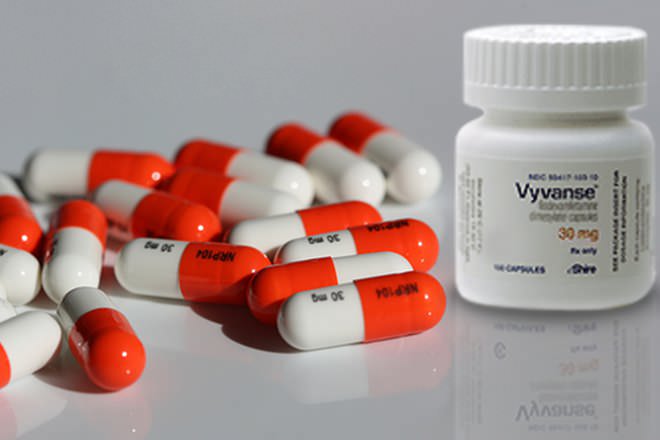
Fairly recently, Vyvanse – a drug known for treating ADHD – was approved to treat binge eating disorder (BED). I was first made aware of this drug via a message sent to my blog from a woman living in the US who was angry about the effects this could potentially have on people who were prescribed it. I did a bit of reading up about it, but soon forgot about it. The topic came up again when a friend linked me to an article about the drug being used for treating BED, which I read, and my interest was piqued. I started thinking about the problems that would arise from it’s approval to treat BED that are both numerous and highly concerning.

In May 2013, the DSM-V was published, with BED being newly recognised as a psychiatric disorder. On the surface, this sounds great: sufferers of BED were finally being recognised and validated, but a further look into this and the subsequent approval of Vyvanse to treat it raises some serious questions.

In a society where almost two in five (37%) women and one in six (18%) men in the UK are dieting “most of the time”, and 108 million people are on diets in the US, a huge amount of us are restricting on a daily basis, and when we “fail”, we feel shame, guilt, hopeless, and anger at ourselves. And failing is inevitable, because diets do not work. Dieters often end up in a restriction/binge cycle, and mistake their dieting for normal behaviour, and so only take note of their binging and see this as a weakness rather than a normal biological response to starving the body. If the body has an energy deficit due to restriction, it will seek to restore balance by compensating later on. So with that in mind, we can now look at the criteria for BED:

  • Recurrent episodes of binge eating. An episode of binge eating is characterized by both of the following:
    • eating, in a discrete period of time (for example, within any 2-hour period), an amount of food that is definitely larger than most people would eat in a similar period of time under similar circumstances
    • a sense of lack of control over eating during the episode (for example, a feeling that one cannot stop eating or control what or how much one is eating)
  • The binge-eating episodes are associated with three (or more) of the following:
    • eating much more rapidly than normal
    • eating until feeling uncomfortably full
    • eating large amounts of food when not feeling physically hungry
    • eating alone because of feeling embarrassed by how much one is eating
    • feeling disgusted with oneself, depressed, or very guilty afterwards
  • Marked distress regarding binge eating is present.
  • The binge eating occurs, on average, at least once a week for three months.
  • The binge eating is not associated with the recurrent use of inappropriate compensatory behavior (for example, purging) and does not occur exclusively during the course Anorexia Nervosa, Bulimia Nervosa, or Avoidant/Restrictive Food Intake Disorder.

For me, this criteria is extremely problematic. This criteria is pretty vague, and in conjunction with a society that vehemently fears over-eating and weight gain, becomes a fit for a large proportion of people. Let’s take a look at it in more detail:
– “an amount of food that is definitely larger than most people would eat in a similar period of time under similar circumstances” – this is particularly non-specific, and in our society, many people have a distorted view on what is larger than most people, especially when so many are restricting. It is also normal for someone who has been restricting to experience eating more than normal, because of the body trying to restore itself to being energy-balanced.
– “a sense of lack of control over eating during the episode” – many people feel out of control when it comes to food because we are made to feel that out of control if we are not eating in some strict and regimented way. That feeling is even more accentuated when the drive to survive overcomes the person’s desire to diet, and the body makes up for lost energy by “binging”.
– Eating rapidly is also part of the drive to get energy in as fast as possible when it needs it.
– Eating until uncomfortably full is easy to do when the body requires more energy than the stomach has room. The desire for food is just another way for the body to communicate hunger, and people often do not recognise this as a type of physical hunger (the brain is part of our physical being as well).
– Eating alone when eating what someone considers more than normal, or when someone is experiencing reactive eating in response to restriction, is – unfortunately – normal because of the way our society has surrounded food in a thick layer of shame.
– And if you are dieting, or misinterpreting your eating as a “binge” (because I would argue that many people have a distorted view of what a binge actually is), this is likely to happen “at least once a week for three months”.

“With these diagnostic criteria [for BED], there is huge potential for a false positive. Do a lot of people struggle with binge-eating? Absolutely. Are all of these people actually ill? That is the major question around this diagnosis and the Vyvanse treatment,” said Lisa Cosgrove, a professor and clinical Psychologist at the University of Massachusetts, Boston.

So what we have here is a list of things that those with BED suffer from, but written in a way that it could easily fit someone misinterpreting their eating habits because they have distorted ideas of what binging is, or are not aware of the effects that dieting has on the body. This means that these people could go to the doctors, tick all the boxes, and receive a diagnosis. Our fatphobic society steeped in diet culture would have no problem with that. A quote from Ray Moyniham in  Motherboard talks about this:

“You have to be extremely sensitive to the fact that there are people who are really suffering severe and debilitating symptoms from a condition,” said Ray Moynihan, a senior research fellow at Bond University in Australia and the author of Selling Sickness: How the World’s Biggest Pharmaceutical Companies Are Turning Us All Into Patients. “But when we put so much energy into medicalizing normality, it takes resources and attention and care away from people who are seriously ill.”

Now on to June 2014, where Shire wins the key patent ruling for the drug Vyvanse. The Telegraph writes:

Shire hopes to increase sales of the drug by broadening its uses into other patient groups, such as very young children and sufferers of the newly-recognised psychiatric problem binge-eating disorder (BED).
The drug maker told investors on Monday that it expected to make $300m from sales of Vyvanse to BED patients by 2020, following a successful clinical trial showing the drug helped control binge eating.

This raises a red flag for me: Shire will desperately want to make as much money as possible before its patent expires, and this means expanding its treatment to those with other illnesses other than ADHD. Shire had already thought of BED as an option, and already had that idea in the pipeline. Is the fact that BED was finally recognised and put into the DSM-V just when Shire needed a new illness to treat a convenient coincidence, or something more dubious?

In January 2015, Vyvanse was approved to treat BED. The fairly vague criteria for BED could mean that BED is over-diagnosed and over treated, with a drug that is an amphetamine. Hang on, what?

Amphetamines became extremely popular in the mid 1900s as a weightloss drug, before concerns about the dangerous side effects caused the FDA to ban amphetamines from diet ads.

The most serious risks include psychiatric problems and heart complications, including sudden death in people who have heart problems or heart defects, and stroke and heart attack in adults. Central nervous system stimulants, like Vyvanse, may cause psychotic or manic symptoms, such as hallucinations, delusional thinking, or mania, even in individuals without a prior history of psychotic illness. The most common side effects reported by people taking Vyvanse in the clinical trials included dry mouth, sleeplessness (insomnia), increased heart rate, jittery feelings, constipation, and anxiety. – take from here.

Vyvanse was approved for treating BED after only two 12-week studies.

“I tried (and failed) to persuade the DSM 5 group that BED was a premature and dangerous idea precisely because I feared it would be a backdoor excuse for drug companies to promote stimulant diet pills,” Dr. Frances Allen, a psychiatrist and frequent critic of the DSM-5, told Motherboard in an email. He has had particular concerns about the new criteria for diagnosing eating disorders. “The rushed approval of Vyvanse realizes my worst fears”

People actually suffering from BED are desperate to get rid of their mental illness, but therein lies the issue: BED is a mental illness. I have severe reservations about an appetite suppressant being used to combat an eating disorder that for a lot of people has roots in trauma, and other deep-seated emotional problems. The appetite of that person isn’t the issue: the drive to eat as a coping mechanism is. And not only are we going to be dealing with actual sufferers, but those misdiagnosed because of the ill-defined criteria, and those faking the illness to get a hold of Vyvanse, either because of its street value, or because of its use as a weightloss drug. Which brings me to the dangers of those with restrictive eating disorders reeling off the list of BED symptoms, and getting a prescription of Vyvanse to continue their downward spiral that only leads closer and closer to death. Because a binge eating disorder diagnosis relies on self-reported behaviour, it means that it is not difficult to fake, and consequently, it is not difficult to get a diagnosis. Pro-ana sites are already sharing their experiences with Vyvanse, and tips on how to get hold of the drug. The consequences of this could be catastrophic.

I received a message to my blog recently when the subject of Vyvanse came up:

I was recently diagnosed with BED and prescribed Vyvanse. My psychiatrist gave it to me because he said I was gaining too much weight. He gave it to me to use as a weightless pill. I don’t think that’s okay. In the past I have suffered from anorexia and bulimia. So of course, I accepted the pill. Hoping it would be easier to not eat at all. I think this may be a problem for a lot of people very soon.

This shows that already Vyvanse is being misused by doctors themselves, who are supposed to be people that we trust with our healthcare. But with the pharmaceutical industry being all about the money-making, it’s hardly surprising.

In my opinion, the inclusion of BED in the DSM-V, the vague diagnosis criteria, the subsequent research into using Vyvanse to treat BED, and the swift approval of that usage, are linked together. The pharmaceutical company have helped themselves to make more profit off both those with BED, and so many without it, with a drug that in my opinion will not successfully treat the disorder it has been approved for. And this drug is likely to have devastating consequences.

Celebrating Three Years Since Choosing Recovery

3 years 5

TRIGGER WARNING – this post shows images of my body during my eating disorder, as well as images of my recovered body*. Please do not look at this article if these are images that are likely to trigger you.

In the last three years (and a bit), I have come further than I ever thought I would. Just over three years ago I was a suicidal, starved, insane mess of a human being. I was throwing glasses across the room in anger because my partner at the time had turned around my horrible self-reminders not to eat that I had plastered around the house, and had instead written lovely messages on the backs on them. Just over three years ago I was screaming at him because he put a dash of milk in the scrambled eggs. I had intense urges to eat food off the ground because my body was so hungry. Each day was all about filling out the time until I was “allowed” my next measly portion of food. My life revolved around the number on the scales. Everything I did was for that number to decrease. I walked around with my brain feeling foggy, my body weak, and put it through intense and draining physical exercise anyway. I was a walking corpse. I wasn’t alive. I was merely existing.

It took me a couple of months of uhmming and aahing to really choose recovery. I was uncertain. I was scared. I was in denial about having to gain weight in order to be healthy and happy. But eventually I got there. Gradually I solidified my decision, and I although I had ups and downs (understatement of the year), I never really looked back. I had many, many, many moments where I said to myself “I’m done! I’m going to relapse!” but I would cry it out and keep on going anyway.

tumblr_mztsy5ii2G1qcy3b7o1_500

A year into my recovery, I made the photo above. If you know me and my blog, you’ve probably seen it before (and I posted it on another post on this website too). The hollow, unfocused, red-ringed eyes had been replaced by bright, shiny ones. My grey, matte skin now glowed. My smile didn’t seem stretched, and the happiness showed upon my whole face, rather than looking tired and empty. I love the comparisons. It always shocks me, and it always reminds me how terrible I looked then and how healthy I look now. It always reminds me of how far I have come.

3 years 3

My hair is shiny and soft now, not falling out, and not desert dry. After two or so years in recovery, it suddenly grew really fast and is now really long and I love it. I now engage in the world: my senses aren’t dulled due to starvation, and I take in what is around me. I am fully present when conversing with friends and thoughts of my body don’t cross my mind when I am with them, when before I was utterly distracted by how my body looked in that moment. I feel strong, rather than feeling like I am going to pass out at any moment. I feel like I am really in the world, rather than miserable and alone in my own harrowing personal nightmare.
dani and sarah
During recovery, my personality that had been smothered by my eating disorder emerged, stronger than before. During the first two years of my two and a half years in recovery, I grew more than I had ever done in my life. I established who I was and what was important to me. I developed hobbies and interests that I had never had before, whilst regaining my love of old ones. With help from feminism and the body positivity movement, I felt empowered and impassioned. I found my drive and my purpose, and I established my worth as a person inside my own head. In simple words, I now feel solid. I feel strong.

3 years 2

My eating disorder starved me. I lost myself, not just my weight. My relationship disintegrated. I couldn’t concentrate around my friends (although, unlike a lot of others with eating disorders, I managed to maintain my friendships). I didn’t do anything without thinking about losing weight. Recovery gave me back my sanity, and my ability to function within the world and within relationships. I regained weight, and I regained myself. Unfortunately, my relationship came to an end six months into recovery, but I now know I will be able to have a healthy, happy relationships without my eating disorder destroying me, and in turn, destroying my relationship.

3 years 4

For me, sleep was first an escape from the pain of the life I was living when my eating disorder was active, but after a while, as my body became more and more starved, it became impossible to sleep. I would be thinking over and over about my “meal plan” for the next day, and would find it really difficult to fall asleep. When I did, it was food that I dreamed of – that, or gaining weight – and I would wake up in fits of anxiety, or stroking my hipbones; a bizarre habit that occurred in the worst period of my eating disorder. One of my favourite things about being healthy is being able to sleep properly. Resting is so important to me now, and such a relief.

3 years 13

Giving up exercise was something that I really struggled with during recovery, and was something that I relapsed with two or three times. Once I’d started eating and my survival instincts took over, restriction wasn’t something I wanted to engage in again (even though my eating disorder kicked and screamed against that thought), but exercise was something I could do without having to feel hungry all of the time but could still burn calories and feel “healthy”. Even though my weight didn’t change whether I exercised or not, I still had the severe compulsion to work out because I felt so anxious and guilty if I did not. But even though I didn’t have to deal with being hungry all the time, exercise made me so utterly exhausted that I could not even sit up in bed with my laptop on some days. I had to lie down instead. Eventually, I was able to cease exercise until I was healthy enough both mentally and physically to be able to do what I now like to call “recreational activity”. I walk a fine line in choosing to be active in remission, but I have my “red”, “amber”, and “green” types of exercise so I know where I am with it, and I’m constantly evaluating how I feel and how much I’m doing. I see the activity I do as enjoyment rather than doing it for my body – the health benefits are secondary for me. Having fun comes first and foremost in the choice to do physical activity, and I think it should be that way for everyone.

bralet 3

The picture above is me today. I am now over 8 months into remission (full recovery). I feel strong and healthy and confident. I have bad and good days with my body, but I more or less accept it for what it is now. Today was a good day, and I feel powerful as a person. I’m about to have a delicious dinner with my family, on holiday, with a view of the sea. This evening I am going to a bar to have cocktails with my brother. And it won’t even matter to me how many calories any of what I have consumed today has.

I am enjoying being me.
3 years 6

*The reason I have included photographs of myself when I was ill is because for me, it’s an amazing transformation. Recovery should be equally about mental and physical recovery – you can’t have one without the other – and I wanted to show both, because for me, my experience with weight gain was a huge part of my recovery. I can only show my physical recovery through photographs, and my mental recovery through expressing it in writing. This article is not about the process but about the comparison as to how I was then to how I am now. I also wanted to show that it is possible to gain a significant amount of weight and look very different and be able to accept that. My body and the changes it made throughout recovery were hugely significant to me, so to be able to show that comparison and say that I made those changes to my body and I got through all the self-loathing, guilt, and anxiety, and found my way to accepting my body as how it looks now is incredibly important to my journey. Some people may not agree with my choice to include photographs, but that is why there is a trigger warning. That was my body, and this was my journey, and I want to express it in the way that is significant to me.